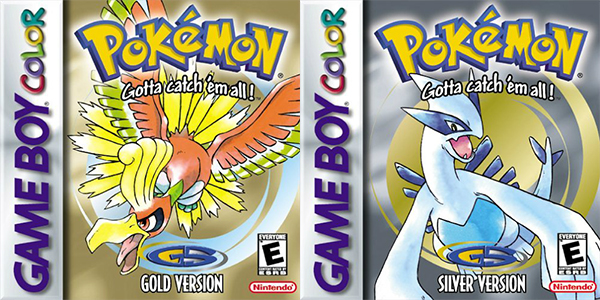
Pokémon Gold/Silver (Game Boy)

Technical Information
Developer: Game Freak Inc.
Publisher: Nintendo
Release Date: Oct 14, 2000 (West)
Pokémon Gold/Silver kicks off the second generation of the Pokémon franchise.
Compared to the first generation, all Pokémon were redesigned, and a lot of new things were added to the game: the morning/day/night cycle and specific Pokémon that appear during those periods, the possibility of breeding Pokémon to get eggs, exploring a new continent with new gym leaders, equipping items on each Pokémon, new movesets, berry trees, and the emergence of the famous PokéRus virus.
Final Thoughts – Analyzing the game as a whole
Graphics and UI
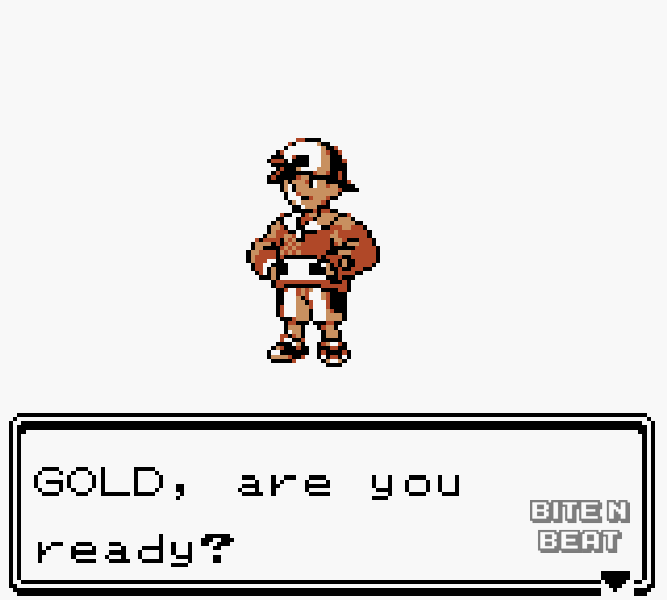
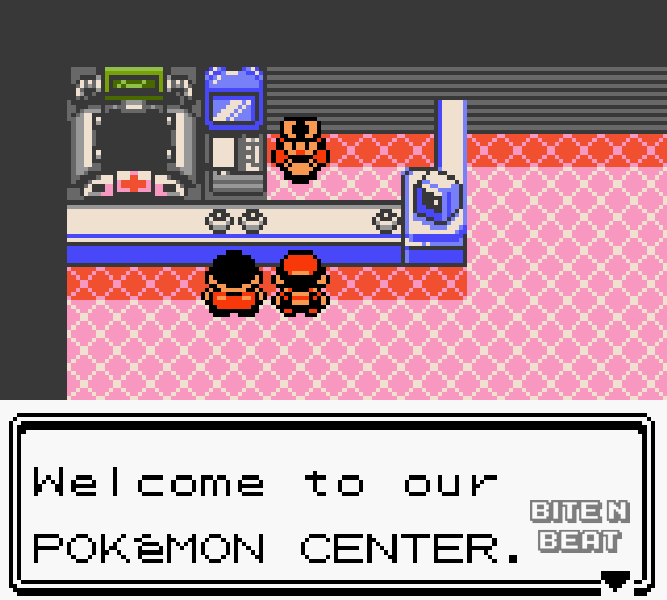
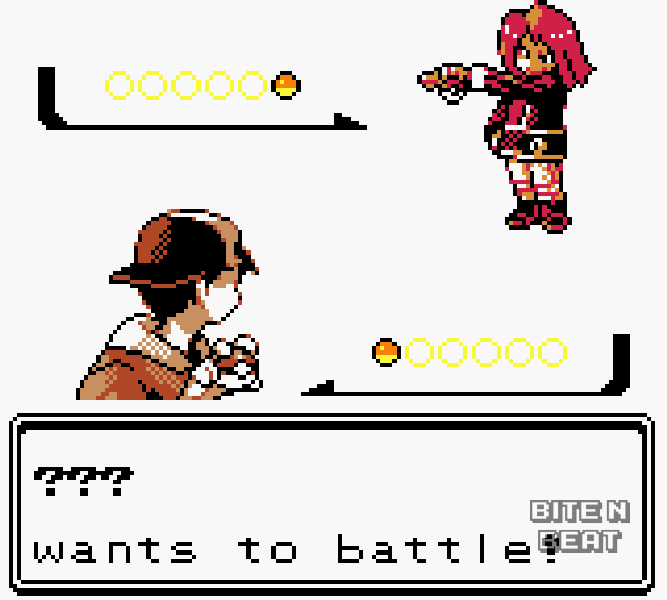
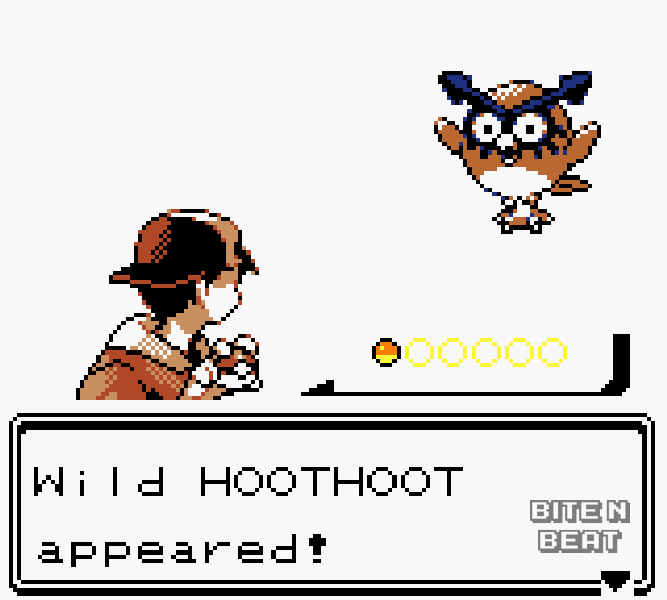
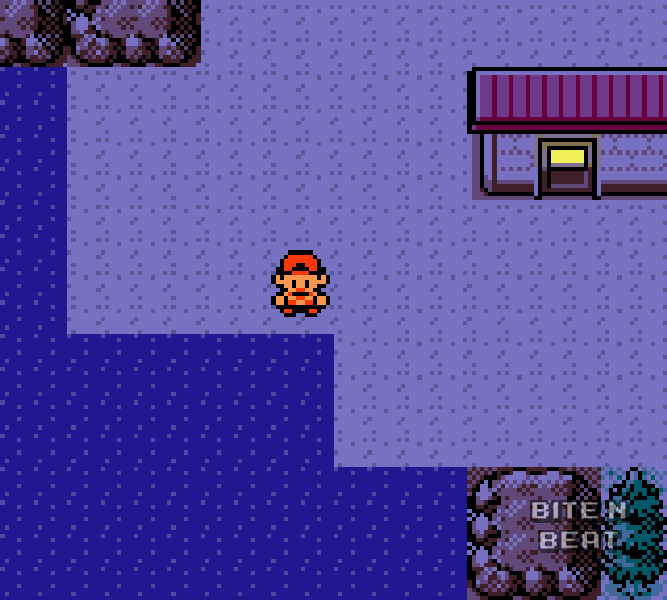
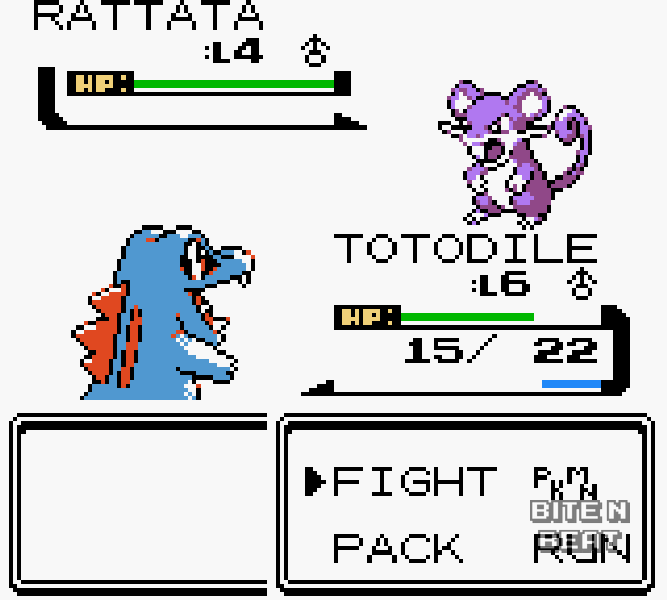
After playing the first generation, seeing how everything became more colorful and detailed was one of the most impactful things when I started my journey in the second generation. All the Pokémon look super cute, as do the new sprites for trainers and gym leaders (especially those from Kanto, which got a reskin).
Everything is easy to use and understand: menu, dialogue boxes, battle options, etc.
Being a Game Boy RPG, having clarity in texts and menus is extremely essential to ensure good understanding and enjoyment during gameplay.
Soundtrack and Sound Effects
The music and sounds follow the franchise’s classic pattern but with clear improvements in quality and composition compared to the previous titles.
Gameplay
New items, new movesets, and new Pokémon made the adventure richer in strategy. Even with the Elite 4 level dropping compared to the previous generation, there are more things to be explored from that point on, like Kanto, new Pokémon, and a new design for the old gym leaders.
Gold and Silver versions complement each other, but communication with Red, Blue, and Yellow is still necessary (as everyone should know), but even so, the number of Pokémon present in these versions is well-balanced and offers no difficulty in building a diverse team (whether with your favorites or the best type combination).
For those who followed the first generation and played this one right after, the evolution in the series is extremely noticeable. Many aspects became more complete, but that doesn’t take away the shine for those starting the franchise with this generation or who began with later versions. Even though it’s an old game, in my view, it has aged well. It brings fun, good graphics (for the time it was a wonderful thing to see on a handheld console), and still an opening for you to interact with other players.
Replayability and Game Retention
Starting all over again, with a new starter, new team, new strategy.
It’s a game I can play a thousand times and never get bored of. Certainly, nostalgia hits hard for me.