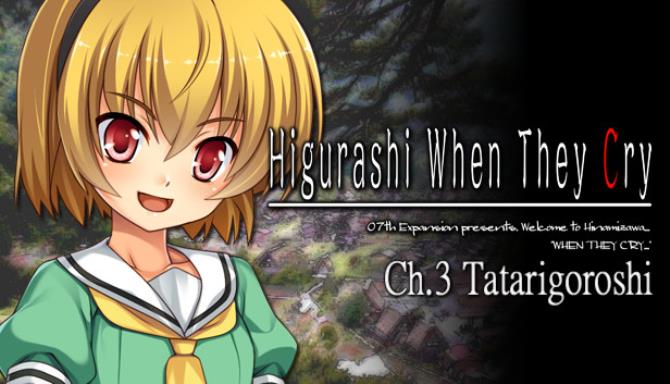

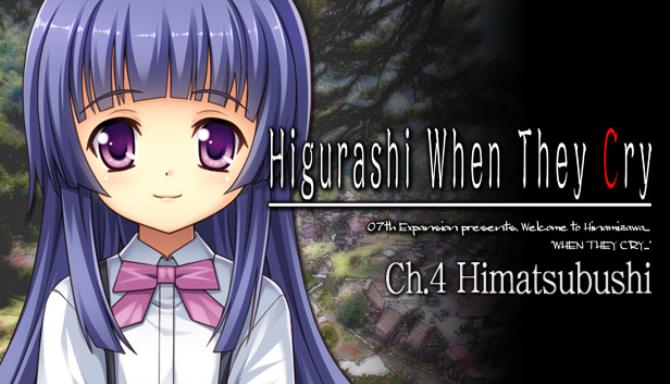
Technical Information
Developer: 07th Expansion
Publisher: MangaGamer
Release Date: October 14, 2016
The story follows a boy who moves to a small town in the rural area of Japan called Hinamizawa. It’s actually more like a village than a town.
Strange deaths have been occurring for several years, and some people attribute them to a curse.
Higurashi When They Cry Hou is a sound novel divided into eight chapters. The events take place between 1979 and 1983.
Of the four first games, this one is the shortest because it’s an extra bonus with some additional information.
Final Thoughts – Analyzing the Game as a Whole
Graphics and UI
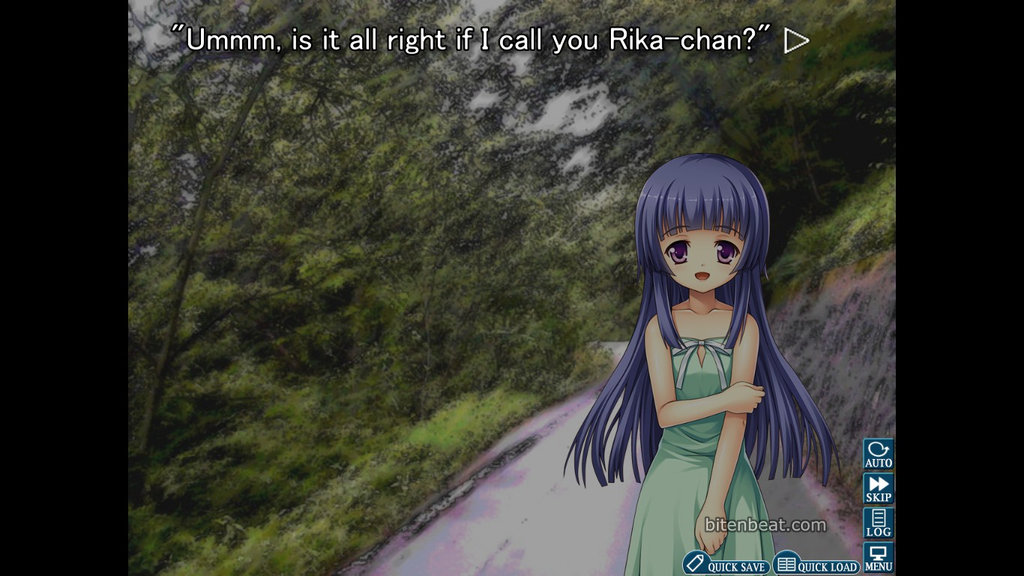
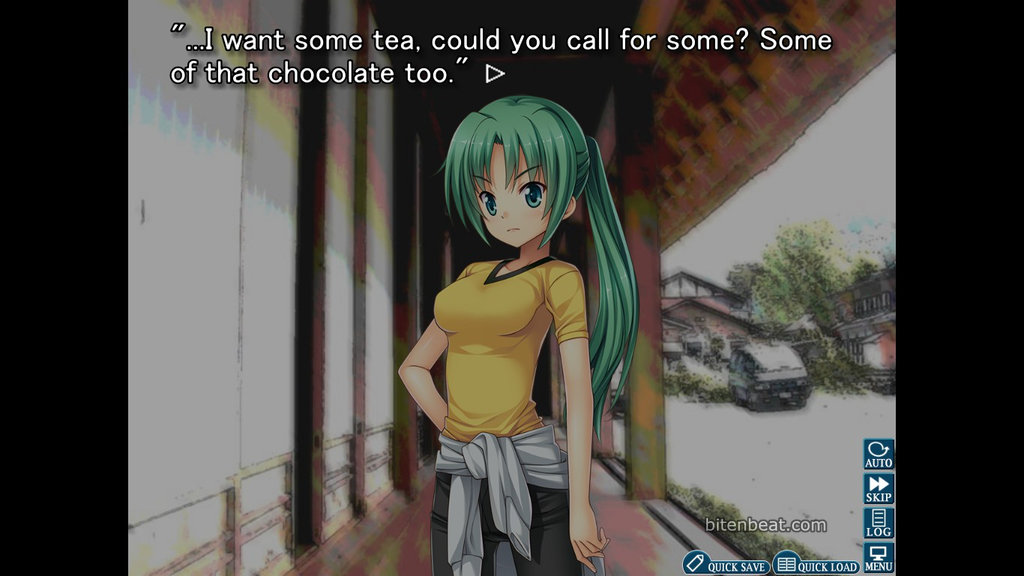
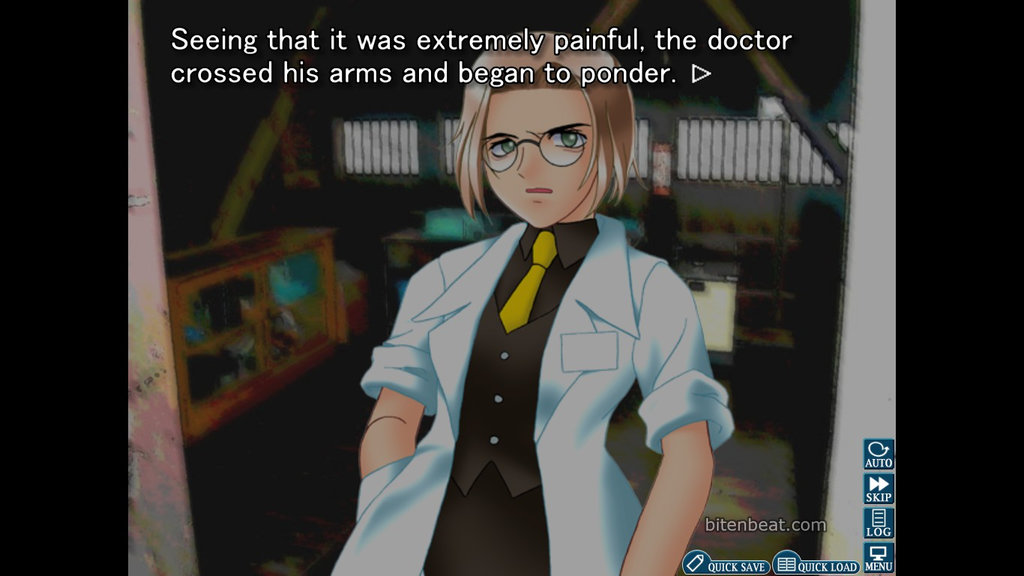
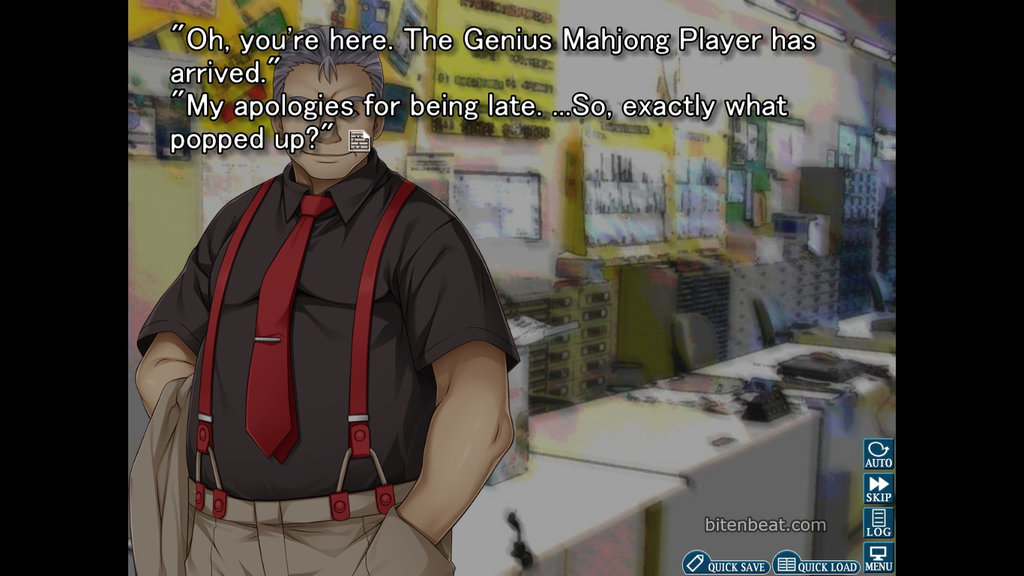
The game features both original art and a remake.
The art style of the remake is very beautiful, while the original is somewhat weird and creepy, depending on the dialogue.
Unfortunately, the characters do not have many poses or expressions, with most of them changing only slightly, giving the game a very static feel.
There are no interaction scenes between characters or key moments. Your imagination will be your guide at this point, just like in a book.
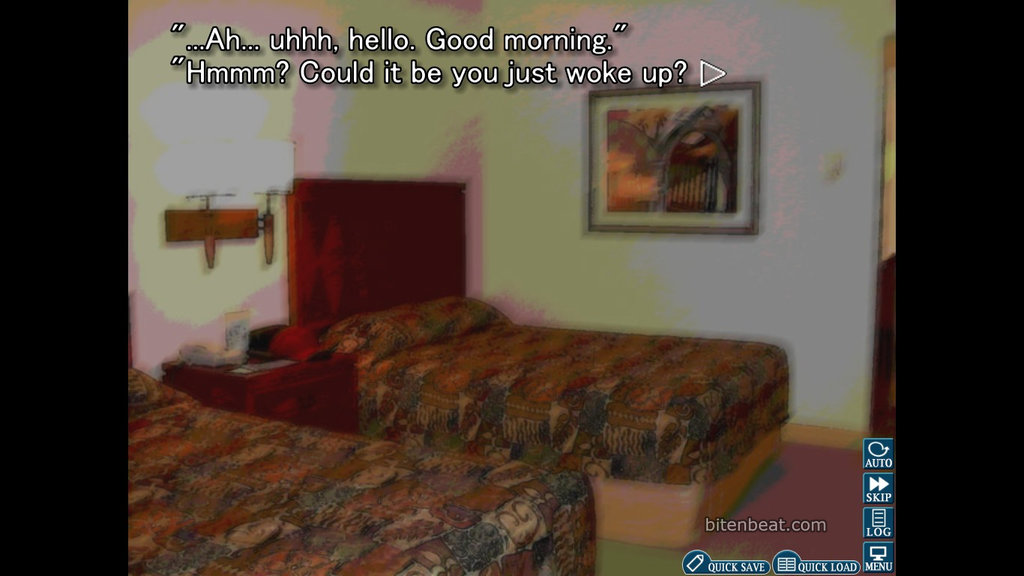
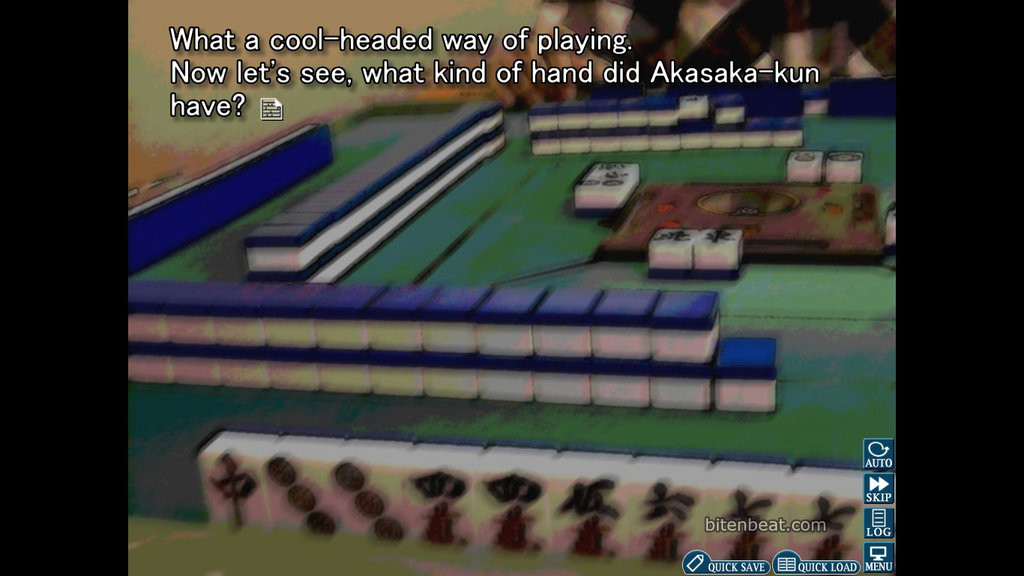
The scenery consists of photos with a painting effect. It looks very rough.
From a functional standpoint, the menus and text are very clear and easy to understand.
However, the menu aesthetic is quite ugly, with an amateurish feel reminiscent of the early 2000s.
The text is displayed across the entire screen, often overlapping the scenery and characters. This reinforces the feeling that the game is more like a book than a traditional visual novel.
Soundtrack and Sound Effects
Great music that conveys the emotional moments very well.
If only the characters had voices, it would have been even better!
Gameplay
This chapter is quite straightforward, with no slice of life segments (in other words, no “boring” parts!), and for the first time, the story is told from another character’s perspective. Here, you step into the shoes of Akasaka Mamoru, a rookie investigator. The events in this chapter take place before Keiichi (the protagonist of the previous chapters) moves to Hinamizawa.
The narrative constantly encourages the reader to question what is really happening, raising doubts about whether there is a powerful criminal organization or something supernatural behind it all. The true nature of some characters also begins to surface.
While reading, I noticed a few minor typos (such as duplicated words like “the”, double spaces between words, and missing spaces after commas).
Replayability and Game Retention
Don’t expect major plot twists, but this chapter does provide important details about the overall story.
The pacing is relatively fast compared to the previous chapters.