
Technical Information
Developer: EXPERIENCE
Publisher: Aksys Games
Release Date: Oct 10, 2019
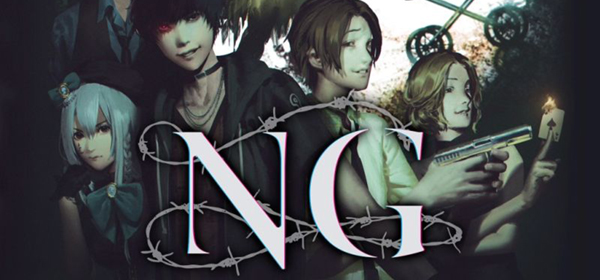
Akira Kijima was on his way home when he finds a note in front of his apartment door. The note was the prelude to a kidnapping followed by a curse. Behind it all, there is a spirit who creates “games” involving restless souls in order to amuse itself with Akira. If Akira does not solve the mystery behind these souls, he will pay with his life.
Spirit Hunter: NG is a psychological horror visual novel that, in addition to featuring disturbing supernatural stories, mixes in point-and-click gameplay, delivering immersion and an excellent atmosphere of investigation and suspense.
Final Thoughts – Analyzing the Game as a Whole
Graphics and UI
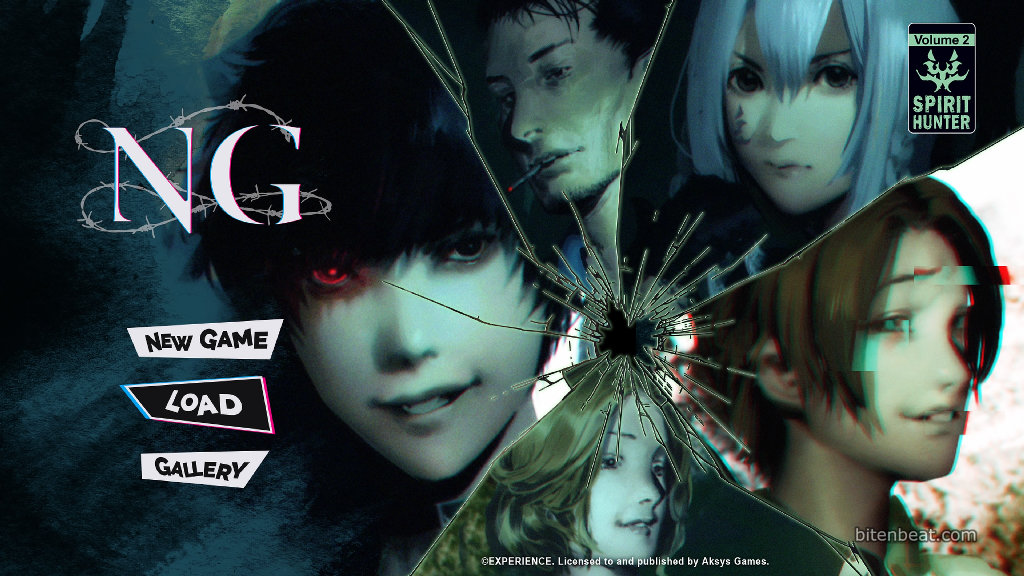
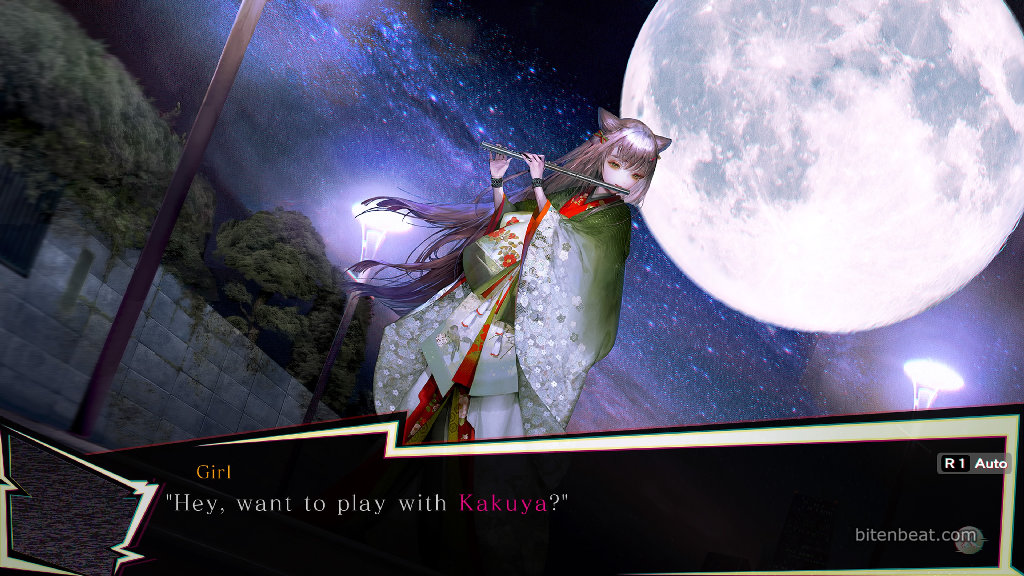
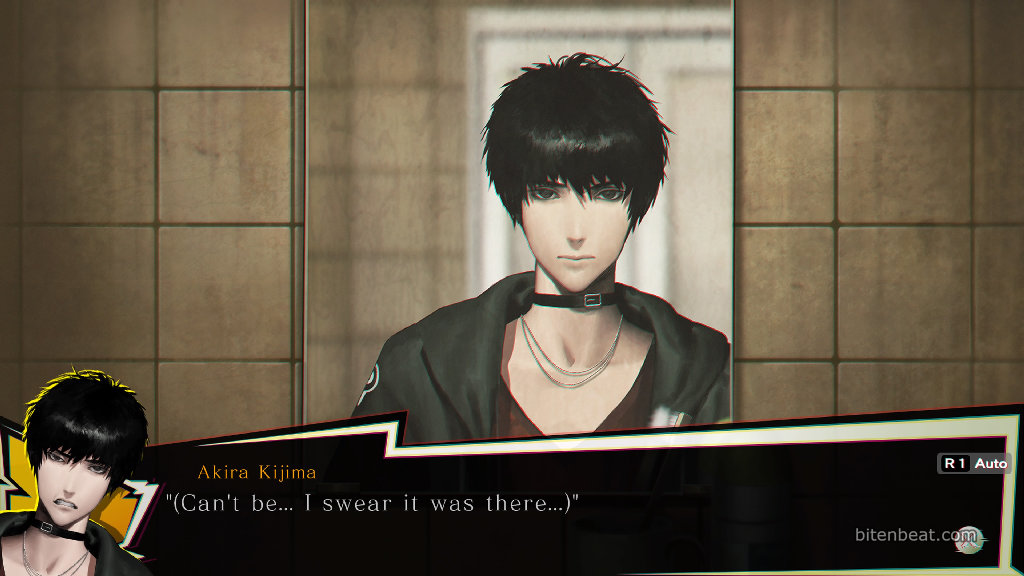
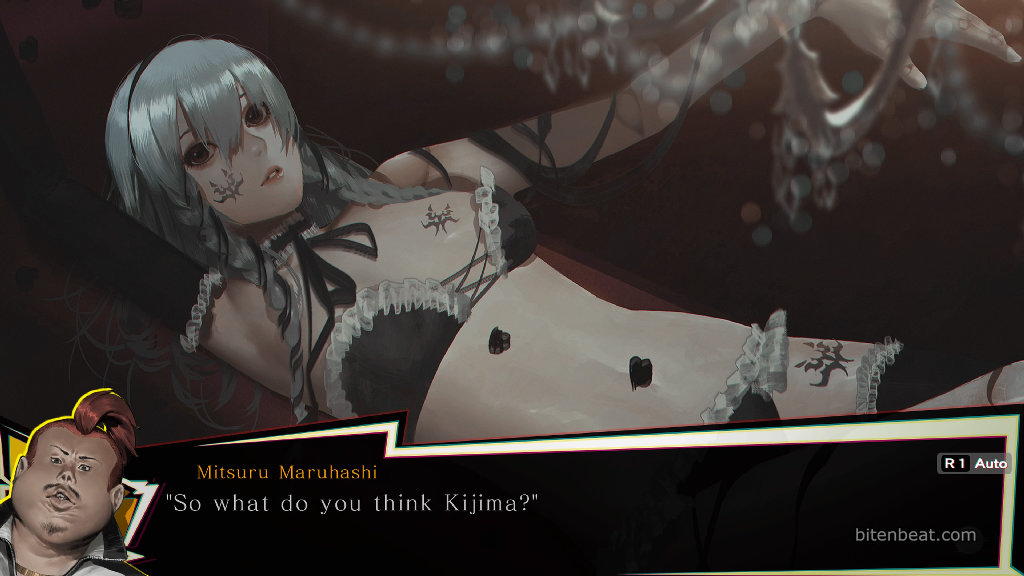
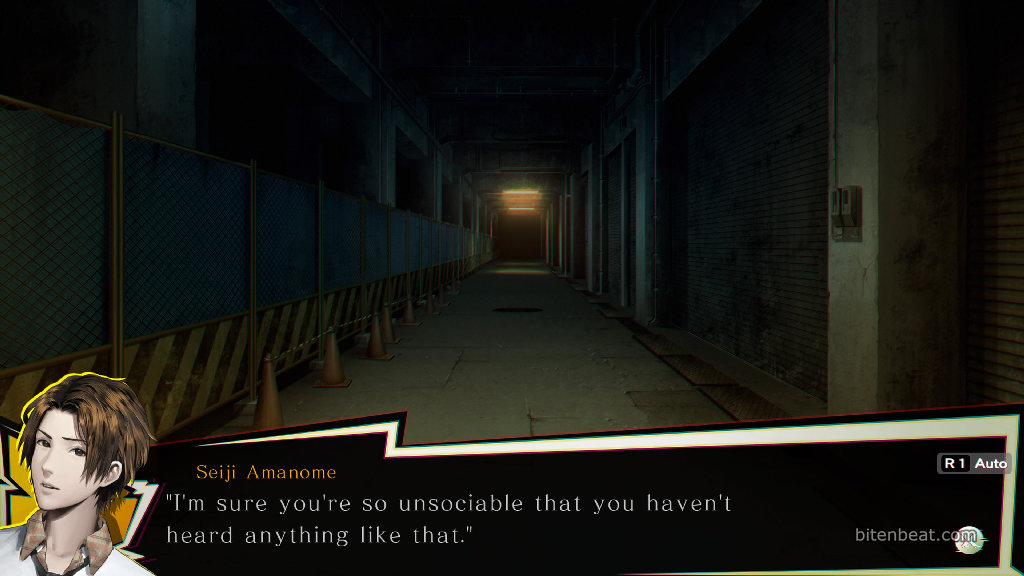
The game’s art is very beautiful! A manga-style approach with one foot in realism, surrounded by a predominantly dark aura.
Another positive point is the gore scenes (yes, be prepared for that), which cause shock and surprise (sometimes even fear) at the right moments.
The environments are also well done, highly detailed, and consistent with the protagonists’ art style.
Only two things bothered me… the first one was the way Kaoru’s hair was done. I think it could have been a bit more detailed, drawn strand by strand. It would have matched the art style better, because looking at her hair gives me the feeling that something is incomplete or overly simplistic compared to all the other details in the illustrations.
The second thing I really didn’t like was how the spirits were designed. They look like a pile of drawing fragments glued on top of each other. It felt a bit lazy to me, and visually they are not easy to understand.
The UI is very clear to read, making menu navigation quite intuitive. Its aesthetic is wonderful, with a very laid-back style (very reminiscent of Persona 5, by the way), which works well with the story, as it breaks up the game’s constant sense of morbidity.
The only flaw in the UI is that when saving, the thumbnail is not updated. It’s always the same image, which makes accessing saves less practical, since instead of recognizing them by the thumbnail scene, the player has to read the title (and probably strain their memory a bit if they want to load something older hahaha).
Soundtrack and Sound Effects
Great music for every moment of the game.
Seductive, relaxing jazz for dialogue scenes, and darker tracks for investigation moments (especially in the second-to-last case, the Christmas music made me completely uneasy and scared).
The sound effects are well done and are placed at the right moments during gameplay.
Gameplay
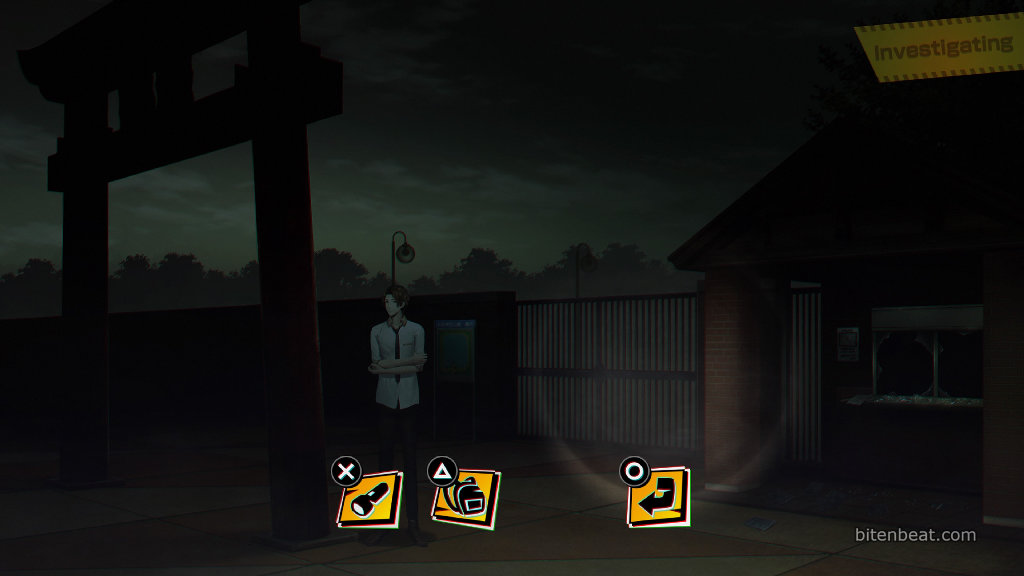
There are three main gameplay actions: reading texts and dialogues, walking through the environment, and using a flashlight to search for items.
Reading texts and dialogues offers few decision-making moments, most of them limited to choosing your reaction (very dissatisfied, dissatisfied, neutral, happy, and very happy) after someone says something to you. These reactions do not change the progression of the story, they only alter the dialogue spoken by the character you are talking to. Choices involving actions or phrases are more present during interactions with spirits.
During investigations, it is possible to walk through the environment. In the upper-left corner of the screen, a mini-map is displayed to guide the player on which directions they can move. While walking through these locations, you use the flashlight to select objects you want to interact with—exactly like a point-and-click game.
It is possible to collect items, and most of them will need to be used at specific moments in the game.
The puzzles are not very intuitive, and many times you will rely solely on trial and error to solve them. It is also not possible to consult the full conversation history, because instead of displaying all past dialogues, the game only shows the most recent ones. If you need to check something that was said only once in the past, you’ll be left empty-handed.
In my view, this is a major game design mistake, as it limits the player’s reasoning when solving puzzles.
Some of the spirits’ stories in the game are quite disturbing and made me feel a certain sense of discomfort. However, it’s important to point out that this happened because my immersion was very intense. I can’t guarantee the same feeling for other players, it all depends on how deeply they get involved in the narrative.
I was very surprised by the game’s atmosphere. It is possible to turn jump scares on and off. I left them on because I thought, “It’s just a visual novel, it won’t be that scary,” but I was very wrong! hahaha I got scared several times, and in many sections I felt very tense, afraid that a gore scene or a jump scare would appear out of nowhere.
I found the game very engaging in this regard.
The game has three endings: bad, neutral, and good. The first one I got was the neutral ending.
Replayability and Game Retention
Unless you really loved the game, I don’t think you’ll want to experience the entire story again right away.
It is possible to earn the vast majority of trophies in the first run. When encountering a spirit, you can either purify it or eliminate it. You can do both, as long as you have a save made before starting the encounter.
If you carefully manage your save points, you can start the game with new choices from progress you’ve already made, speeding up the process of seeing the other endings and getting the platinum trophy.