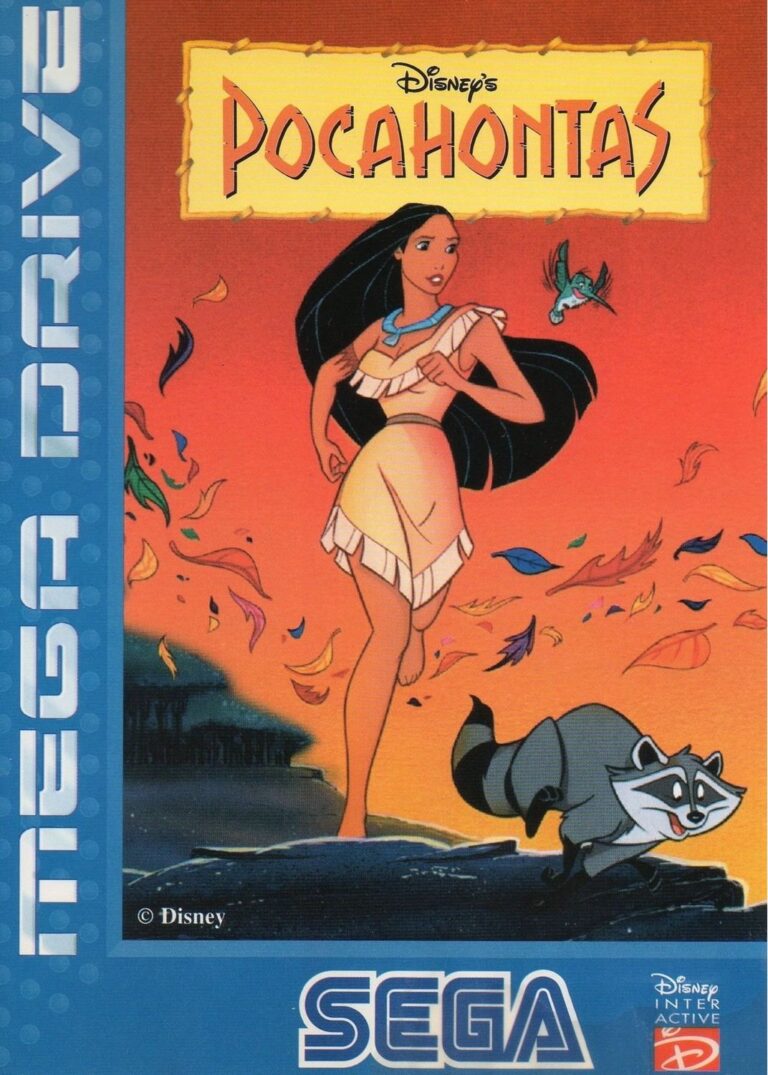


Sound Novel, Visual Novel, and Kinetic Novel.
A series of extremely similar genres that, most of the time, are simply referred to under the term “Visual Novel.” For a long time, I thought the same way myself, because I didn’t know there were differences between them.
In this article, I’ll explain what each one is! 🙂
Sound Novel
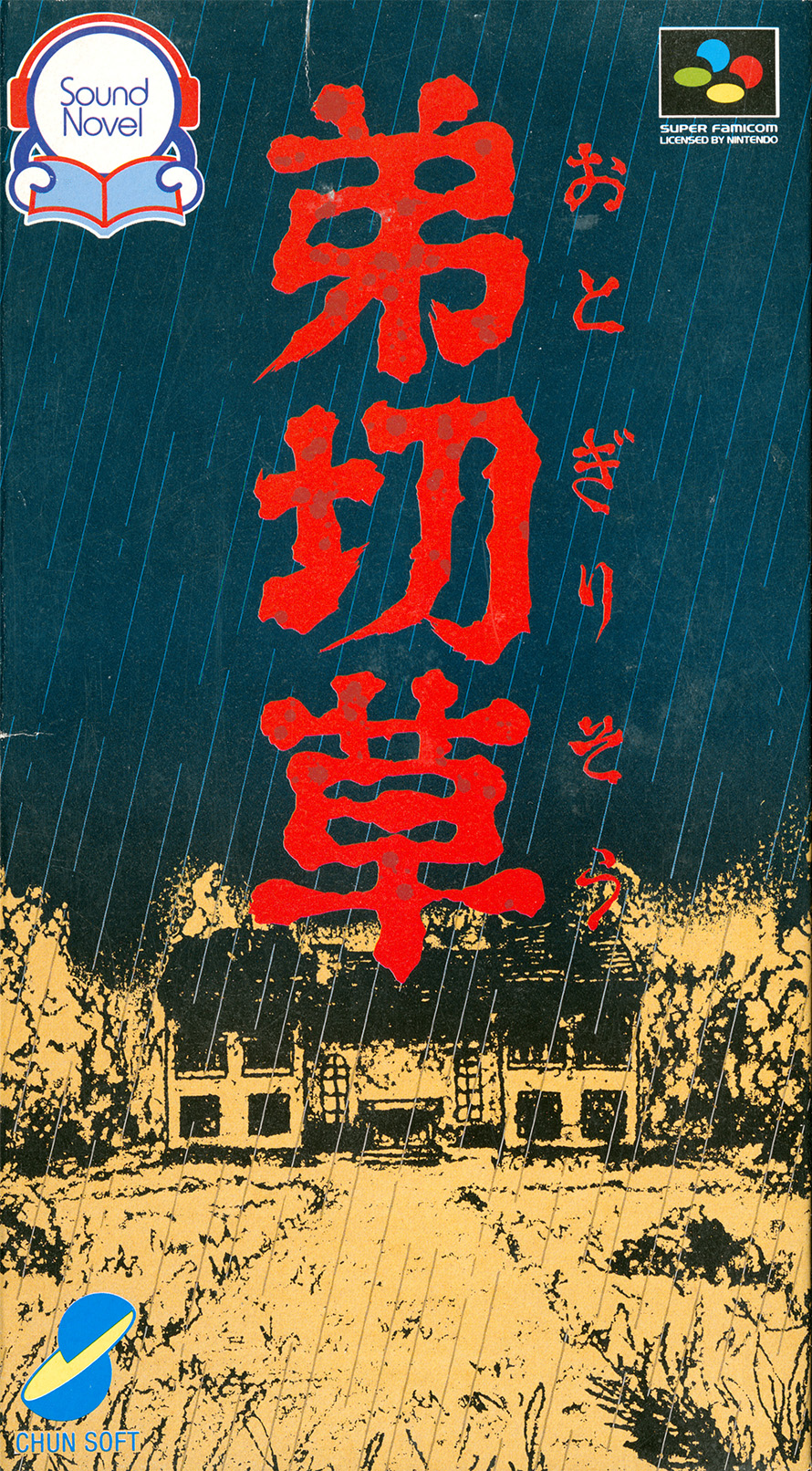
It can be said that Chunsoft was responsible for the creation of this genre. The term emerged with a game called Otogirisou, which was released on March 7, 1992, for the Super Famicom. Its box featured a small illustration with the label “sound novel.”
Due to its success, the style was replicated by other companies, eventually becoming a game genre.
Koichi Nakamura (founder of Chunsoft and director of Otogirisou) stated that the goal was to create a game accessible to people who didn’t know how to use a joystick. Taking advantage of the Super Famicom’s stereo sound, Koichi decided to create a story that could deliver deep immersion while the player read the text.
Sound novels focus on atmosphere, presenting images, sound effects, and music while the story text is displayed.
Unlike visual novels, the displayed text fills the screen, overlapping the images. This aesthetic is the main characteristic that defines whether a game is a visual novel or a sound novel.
A sound novel may include choices that affect the progression and/or ending of the game, or it may be completely linear (with no player decisions). Basically, it’s an interactive book.

Kamaitachi no Yoru (Super Famicom), Radical Dreamers (Satellaview), and Game Book DS: Koukaku no Regios (Nintendo DS) are examples of sound novels.
Visual Novel
Also known by the abbreviation “VN,” a visual novel is a game genre focused on narrative.
Its main characteristic is that the story is told through dialogue, accompanied by a character avatar of the person speaking, displayed over a background while music plays. It’s very common for visual novels to feature voiced dialogue.

Some visual novels go beyond reading and making choices and mix in point-and-click gameplay, giving the player freedom to interact with the environment, collect items, and so on.
The emergence of the visual novel came after the release of Otogirisou (mentioned above).
The term itself appeared in 1996, when a company called Leaf released an ero-guro game titled Shizuku. The term was used in its marketing as a way to emphasize that the game focused on visuals rather than sound (as opposed to “sound novel”).
The term “visual novel” is more commonly used in the West. In Japan, many games that are labeled as visual novels here are simply categorized as adventure games. There, the term is not used as a formal game genre.
Ace Attorney: Phoenix Wright (GBA, Nintendo DS, PS4, Xbox One, and PC), Raging Loop (PS4 and PC), and Spirit Hunter: NG (PS4 and PC) are examples of visual novels.
Kinetic Novel
Like visual and sound novels, kinetic novels are narrative-focused. However, the player has no interaction beyond advancing through the story and saving/loading progress.
It is a completely linear experience and can adopt the visual style of either a visual novel or a sound novel.
Higurashi When They Cry Hou (PC) and Nekopara (PC) are examples of kinetic novels.
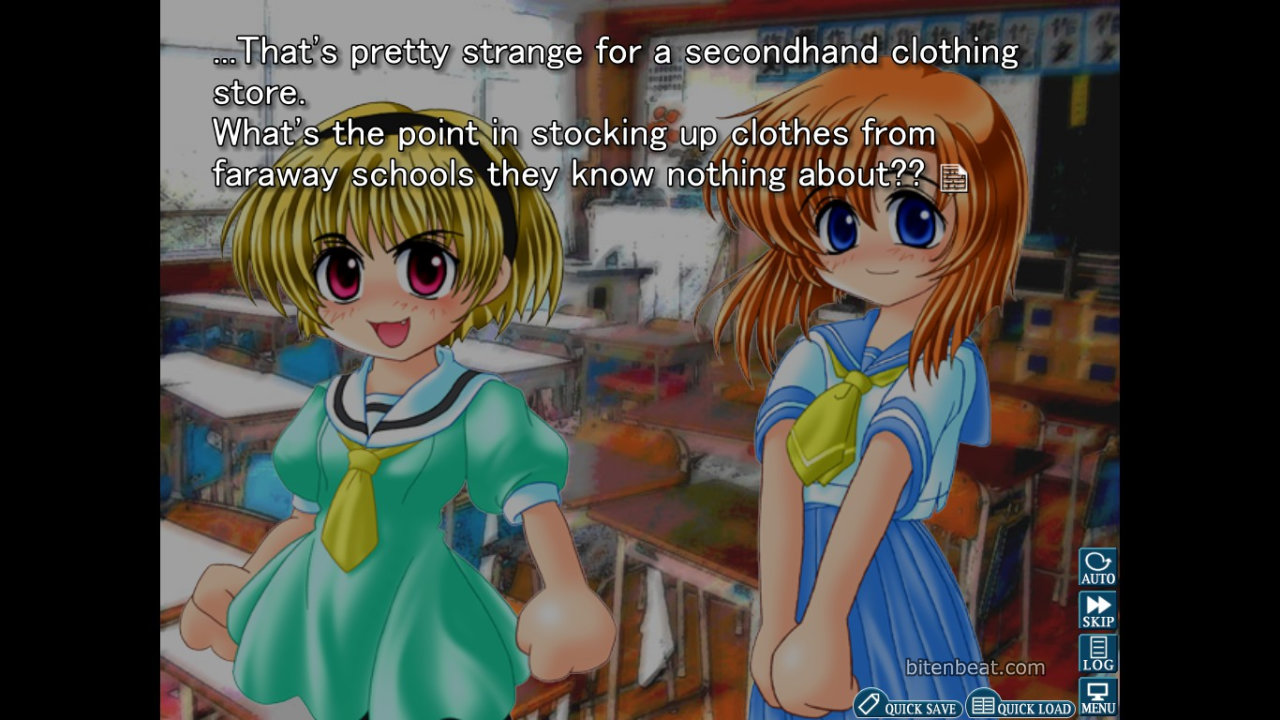
Regardless of the name, one undeniable fact is that this type of game is quite niche and usually attracts an audience that really enjoys reading.
More and more indie visual novels are being released and are moving away from the manga art style stereotype, offering greater variety and reaching players with different profiles.
If you enjoy the genre or simply didn’t know much about it and want to learn more, be sure to check out the section of reviews covering sound, visual, and kinetic novels.