#bookmark-btn:hover {
transform: scale(1.25);
color: gold;
}
document.getElementById("bookmark-btn").addEventListener("click", function() {
let isMac = navigator.platform.toUpperCase().indexOf('MAC') >= 0;
if(isMac){
alert("Press Cmd + D to add this page to your favorites.");
}else{
alert("Press Ctrl + D to add this page to your favorites.");
}
});
Wario Land II (Game Boy Color)

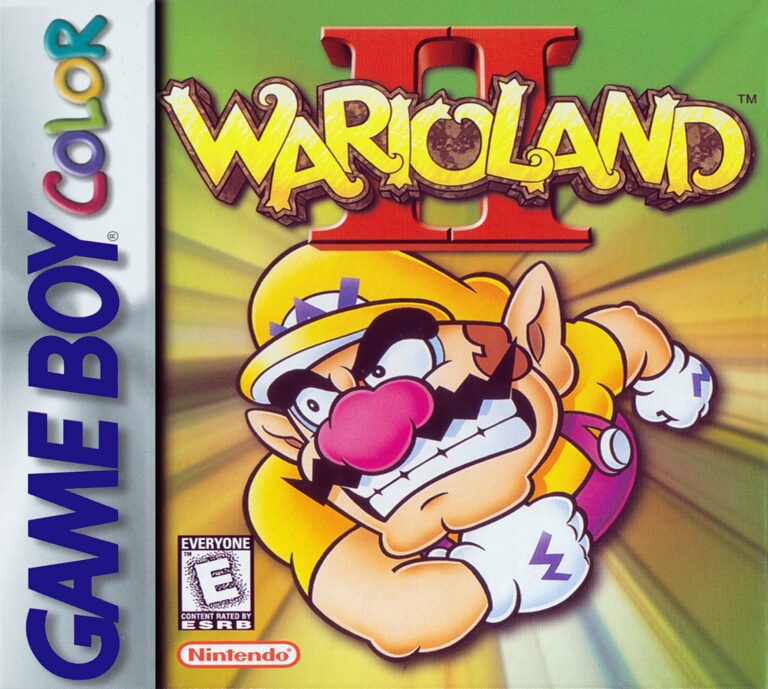
Technical Information
Developer: Nintendo R&D and TOSE
Publisher: Nintendo
Release Date: October 21, 1998
After infiltrating Wario’s castle, Captain Syrup and her Pirate Gooms steal all the treasure that Wario obtained in previous games. Now his mission is to chase them down and recover what was stolen from him.
Wario Land II is a fun continuation of Wario Land: Super Mario Land 3.
Final Considerations – Analyzing the Game as a Whole
Graphics and UI
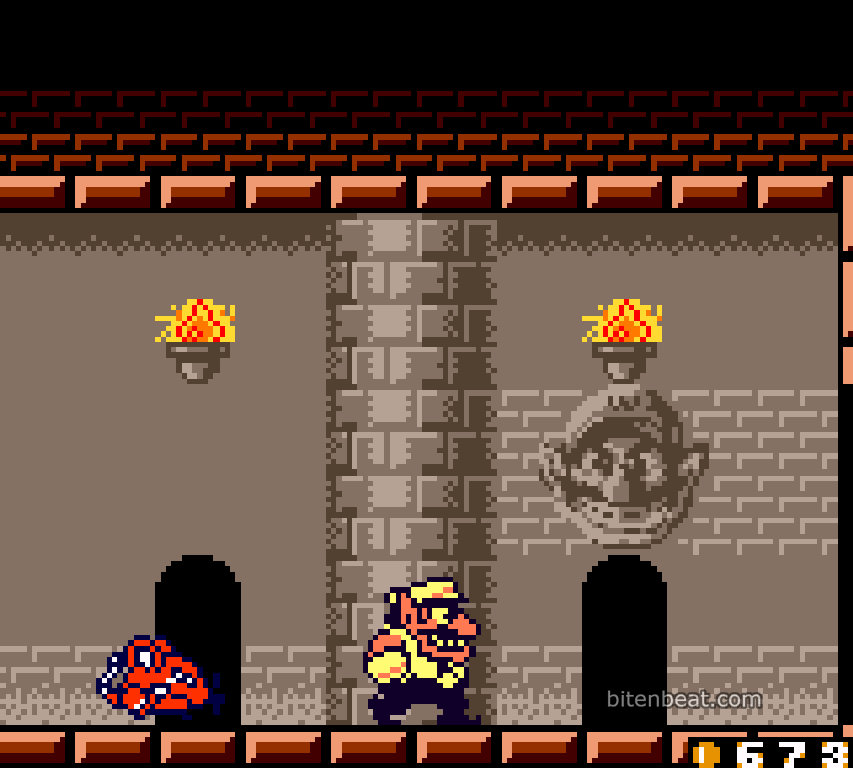
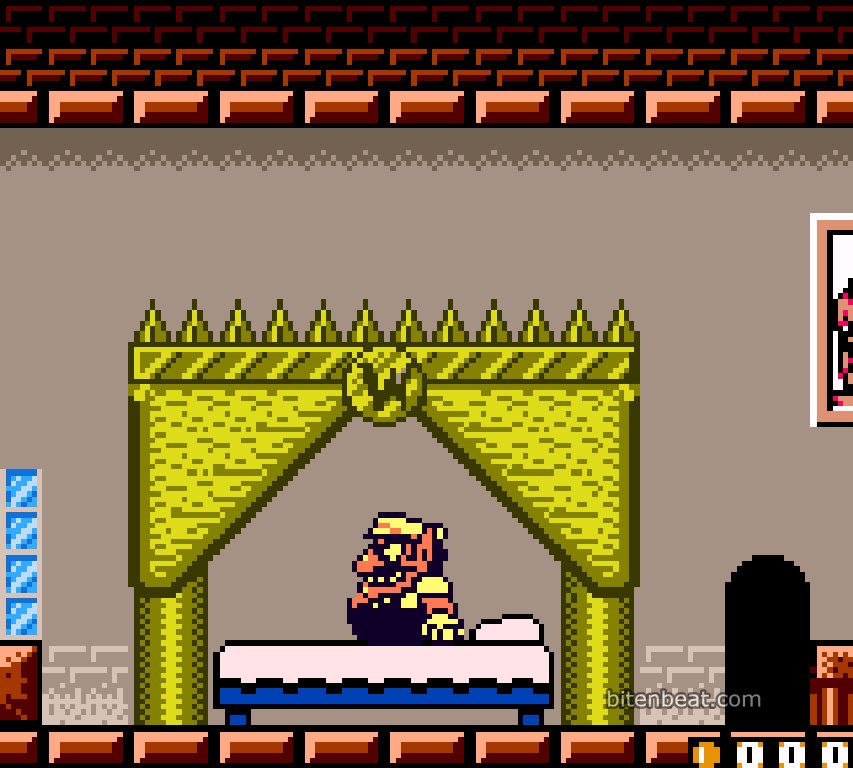
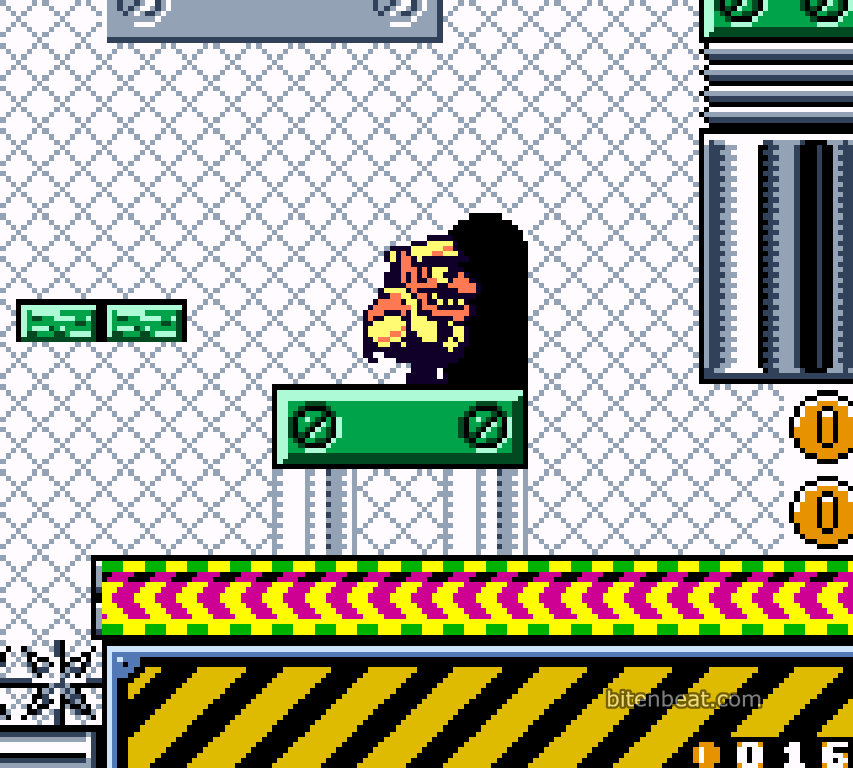
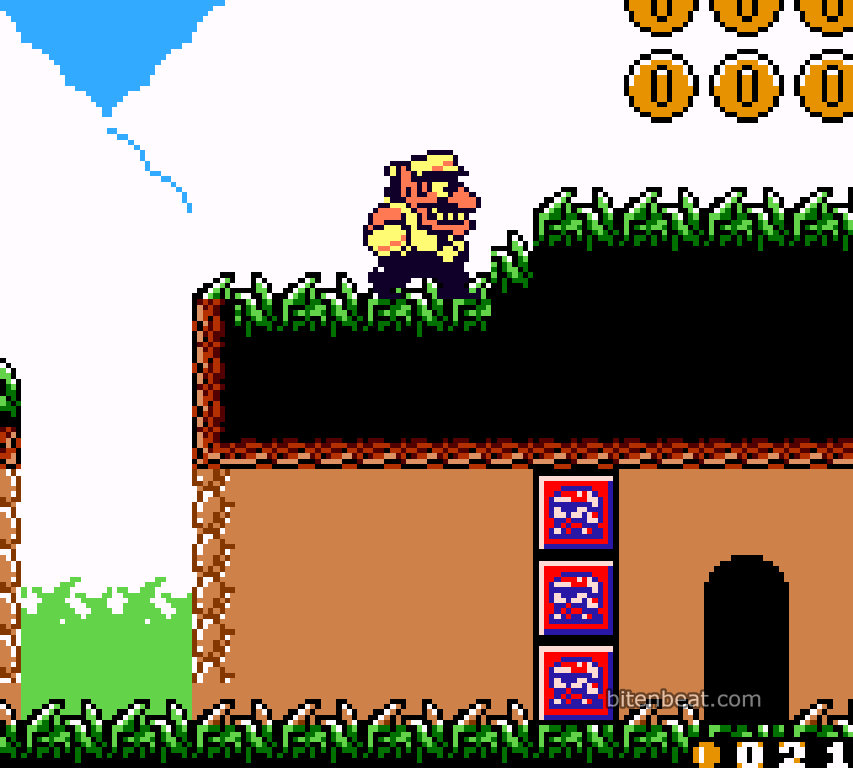
The art style remained the same as in the first game of the franchise.
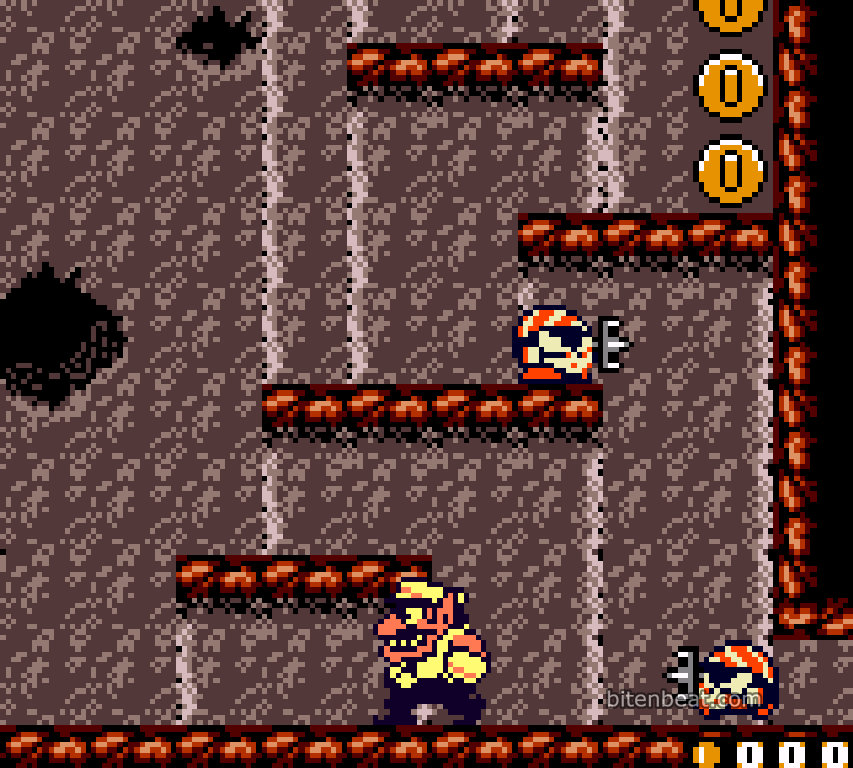
I played the Game Boy Color version (which was released several months after the original Game Boy version). It uses color very well, clearly defining what is part of the background and what is an enemy.
Some enemies, such as Captain Syrup and the Pirate Gooms, return from the previous game. After all, without them, the story wouldn’t make much sense, right?
I also liked the other enemies, like bats, zombies, and cookie-cutter creatures. I found them very creative, just like their abilities.
In general, the enemies in this game overflow with creativity and often behave in unexpected ways. Play it and you’ll see! hehehe
Soundtrack and Sound Effects
Some sound effects were reused from the first game. I thought that was a good idea, as it reinforces the feeling that this is a direct sequel.
The music is good, but none of it really stood out or became unforgettable, except for the music from the memory mini-game (which kept appearing on my screen! hahaha).
Gameplay
My first contact with this game was around the year 2000, through pirated CDs sold by street vendors, which was very common in São Paulo at the time. Unfortunately, at that time emulators weren’t very good.
I don’t know if it was because of the emulator or because I was a kid, but none of the Game Boy games I played would save. Because of that, I never even reached the first boss, since the idea of playing something that needed to save but couldn’t really frustrated me.
Twenty years later, here I am writing an analysis! hahaha
The structure of this game initially felt very strange to me. In its predecessor, the stages would appear on the map and you could revisit them. In this game, that doesn’t happen… at least not at first.
This sudden change in gameplay didn’t please me at first, because it made me unsure whether I would ever be able to go back to previous stages to collect the treasures I had missed.
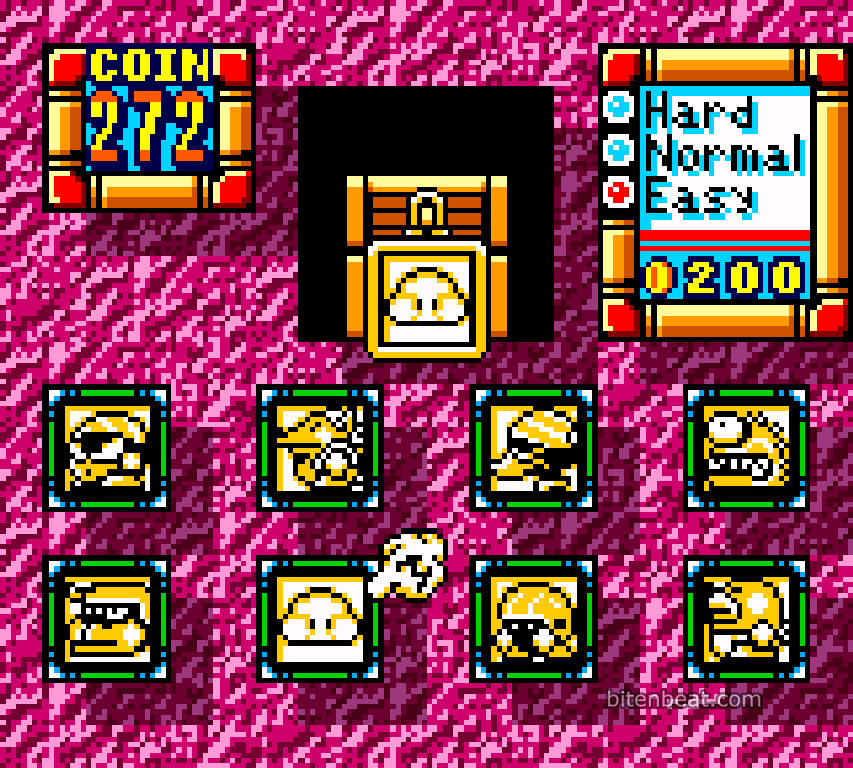
Speaking of treasures, they are also very well hidden in this game. To obtain them, you must win a memory mini-game, which costs coins for each attempt. There are three difficulty levels: the hardest one costs fewer coins, while the easiest one costs more.
Once I understood that pattern, I focused on collecting as many coins as possible so I could always play the mini-game on easy difficulty (since I practically won every time on the first attempt).
Besides the treasures, there’s another mini-game at the end of each level where you must guess a number based on revealed pieces. If you get it right, you earn a piece of the map.
I found it very interesting how this game stopped being just a platformer and became a mix of puzzle and platform gameplay. That’s because you don’t die in this game, instead, you lose coins when you take damage.
During boss battles, if you lose, you’re sent back to a part of the level so you can try again. It creates a subtle loop that keeps the player motivated to try again until they win and move on to the next stage.
Like in the first game, there are hidden alternative paths in some levels. Discovering them can be quite challenging.
Replayability and Game Retention
I loved it. Despite taking a different approach from the first game, the essence of the series remained the same.
I played until I cleared all the stages and collected all the treasures and map pieces.
It became one of my favorite games!