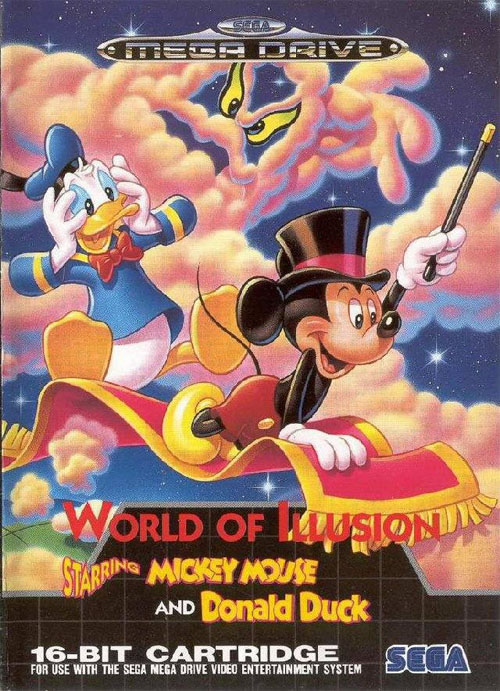
World of Illusion Starring Mickey Mouse and Donald Duck (Mega Drive)

Technical Information
Developer: Sega
Publisher: Sega
Release Date: December 17, 1992
In Japan, the game is called I Love Mickey & Donald – Mysterious Magic Box.
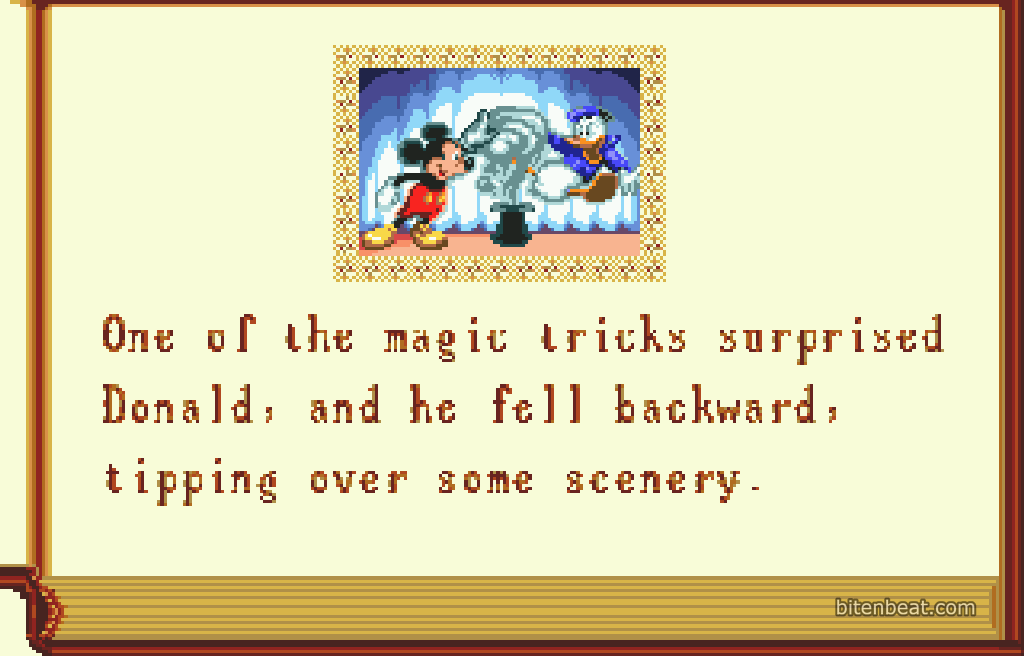
It’s a platformer where Mickey and Donald are rehearsing for a magic show when Donald gets startled by one of the tricks and ends up falling off the stage.
Then they realize there’s a box, Donald opens it, and accidentally falls in (which is actually a kind of black hole) and Mickey ends up jumping to save him.
A powerful magician alerts them, saying that they will need to learn new tricks to get out of this magical world.
Final Thoughts – Analyzing the Game as a Whole
Graphics and UI
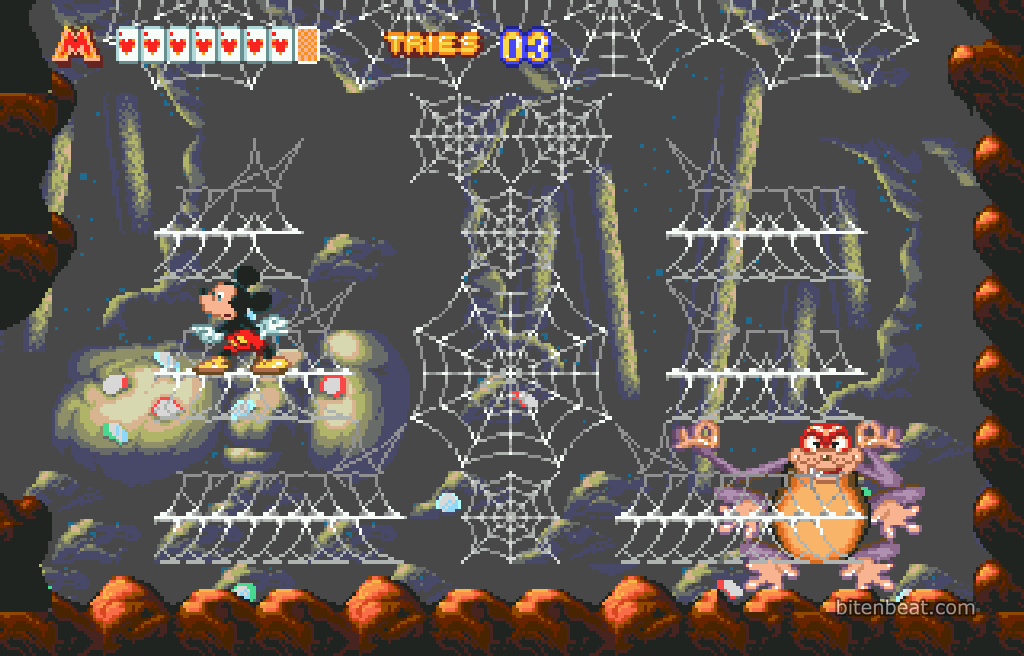
I can say without a doubt that this is not just one of the best platformers on the Mega Drive, but also one of the most beautiful!
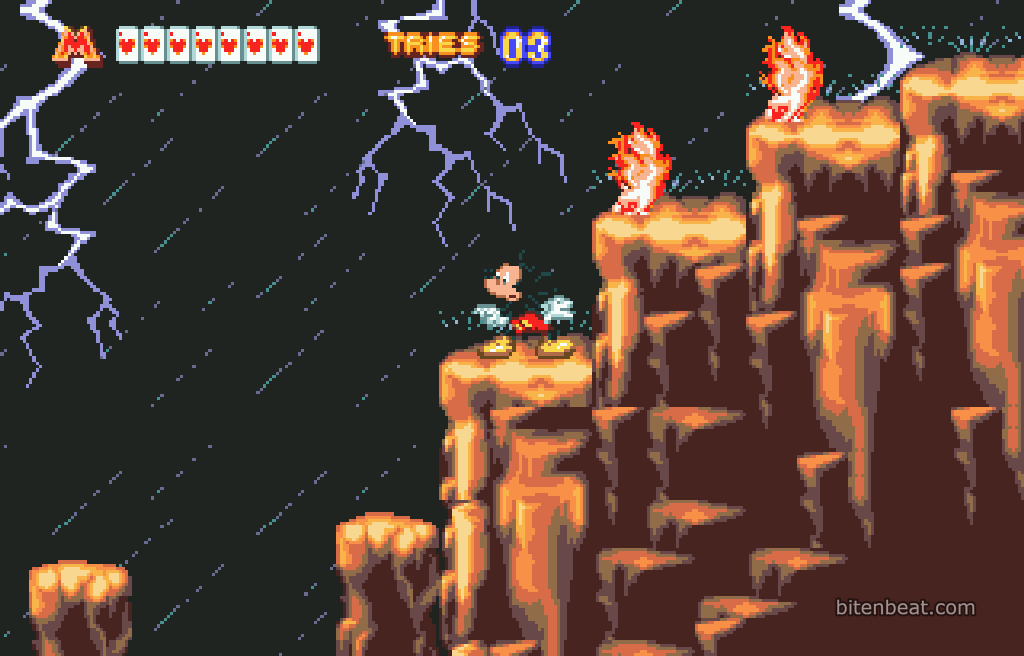
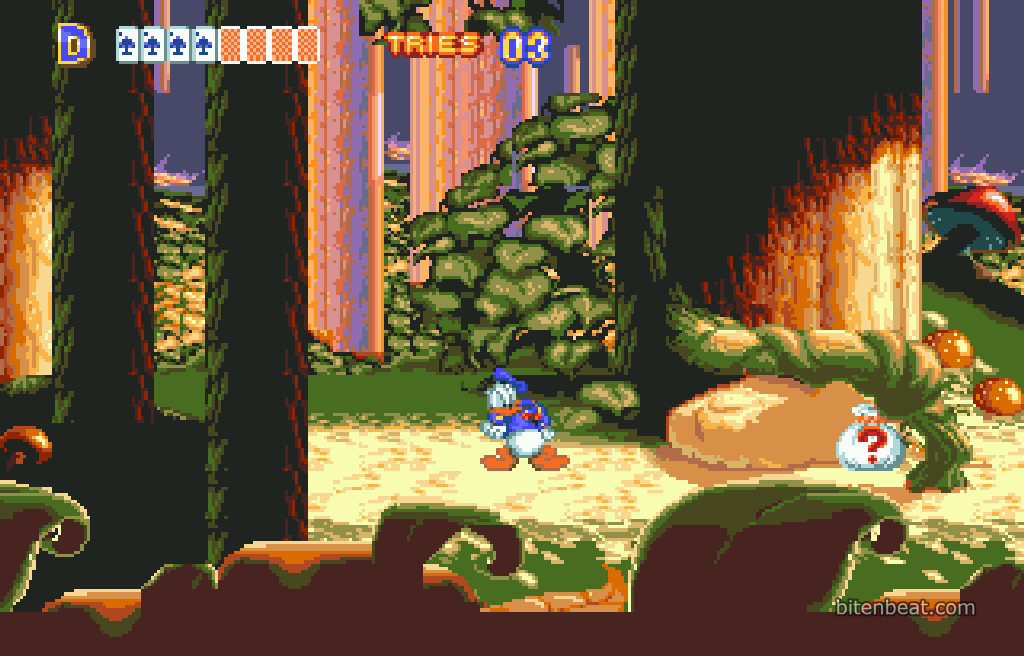
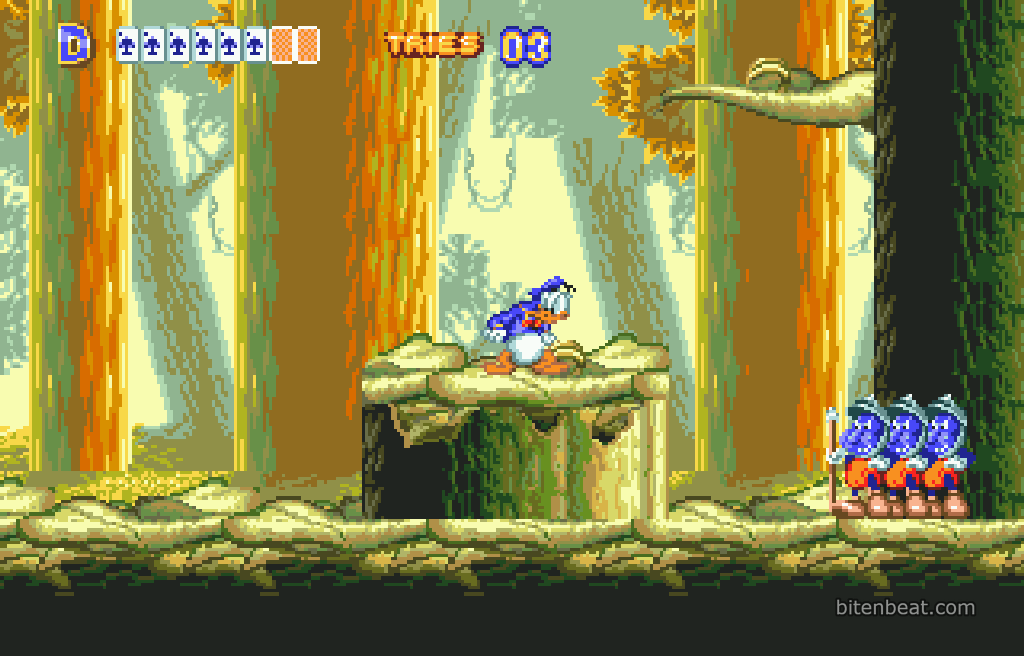
The graphics of this game are wonderful! Even with that famous color palette limitation, the game shows how it’s possible to create beautiful art. The backgrounds are lovely, especially their background details.
The animations were also very well done, the characters have fluid movement and when they’re idle instead of being static, they do something (like Donald looking around grumpy).
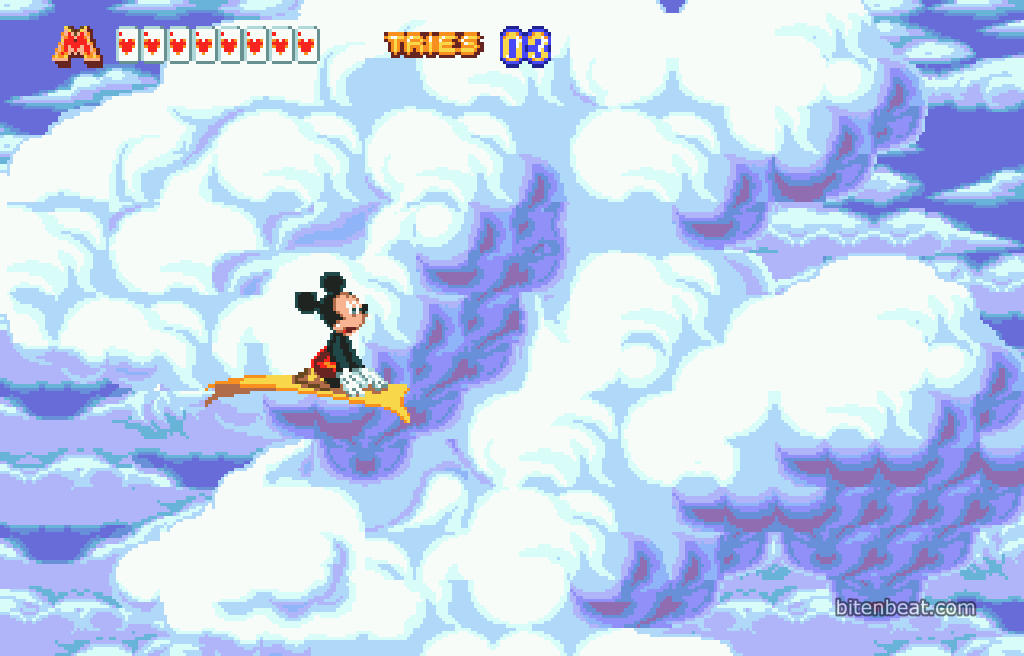
The menu is easy to understand, as is the HUD. Your life is indicated by cards, losing one each time you take damage. The health counter stays next to it, with no mystery whatsoever about how damage and health work in the game.
Soundtrack and Sound Effects
As soon as you start playing, you can tell how much care was taken when composing the soundtrack. The game’s music is very memorable, to the point that since I first played this game (in mid-1999), I’ve never forgotten it. It complements the magical atmosphere of the game perfectly, fully immersing you in the game’s world.
Both Mickey and Donald make a sound when they take damage, and when they use their magic cape to “kill” an enemy, a wind-like movement sound is played. These sounds are slightly louder than the game music itself, just to give them a slight highlight.
Gameplay
You can play as either Donald or Mickey. It’s also possible to play co-op mode.
And the cherry on top is the level design, which doesn’t just change depending on the character you choose, but also when playing in multiplayer mode.
Between stages, the story continues to be narrated, telling the player what’s happening.
Controlling the characters is very simple. You have a button for jumping, using the magic cape (which turns enemies into flowers), and running.
Each stage has a level design that requires some skill with each of the abilities granted to the protagonists.
There’s one stage, for example, where you’re underwater. To swim, you need to press the jump button and guide the character with the directional control pad. In another stage, you’re on a flying carpet and must use the jump button to climb up, down, or avoid enemies.
The only sad part of the gameplay is that, in some moments, the sprites suffer from flickering. It’s not something that ruins the gameplay, but when analyzed objectively, it’s something that shouldn’t exist in any game, considering its technical and visual quality.
Replayability and Game Retention
What makes this game most fascinating to me is the replay value itself. As I mentioned earlier, each character has a set of specific stages, and if you play multiplayer, you’ll be playing through very different stages.
This already provides an incentive to play everything again… not to mention the excuse to listen to the music once more hahaha <3