Sherlock Holmes: Crimes and Punishments (Xbox One)

Technical Information
Developer: Frogwares
Publisher: Focus Home Interactive
Release Date: December 2, 2015
Step into the shoes of the famous detective Sherlock Holmes and use all of your intelligence to solve six cases.
This game doesn’t just require time spent exploring locations and gathering evidence, it also demands player intelligence to solve puzzles, as well as a strong sense of justice and deduction to deliver the final verdict in each case.
Final Thoughts – Analyzing the Game as a Whole
Graphics and UI
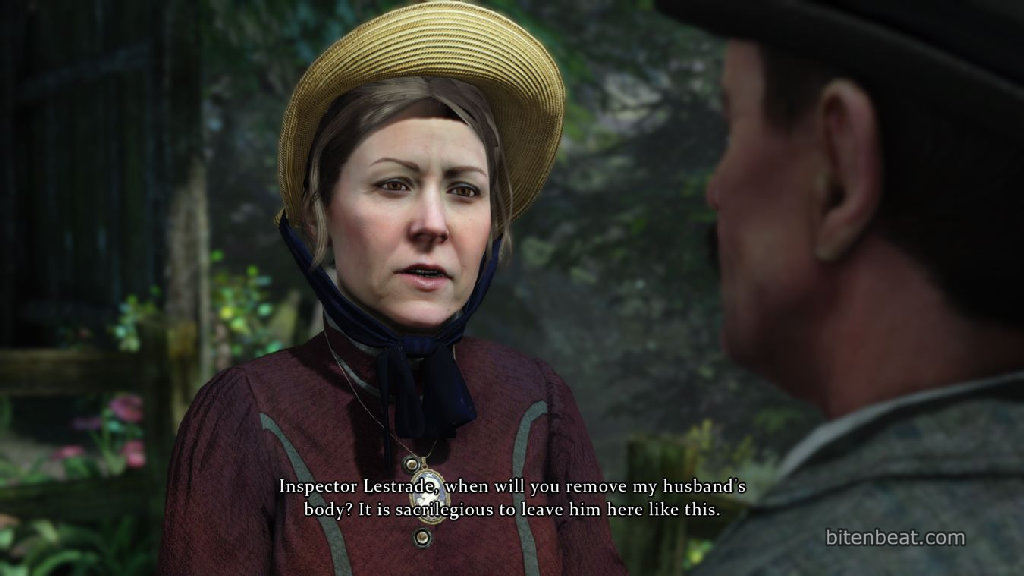
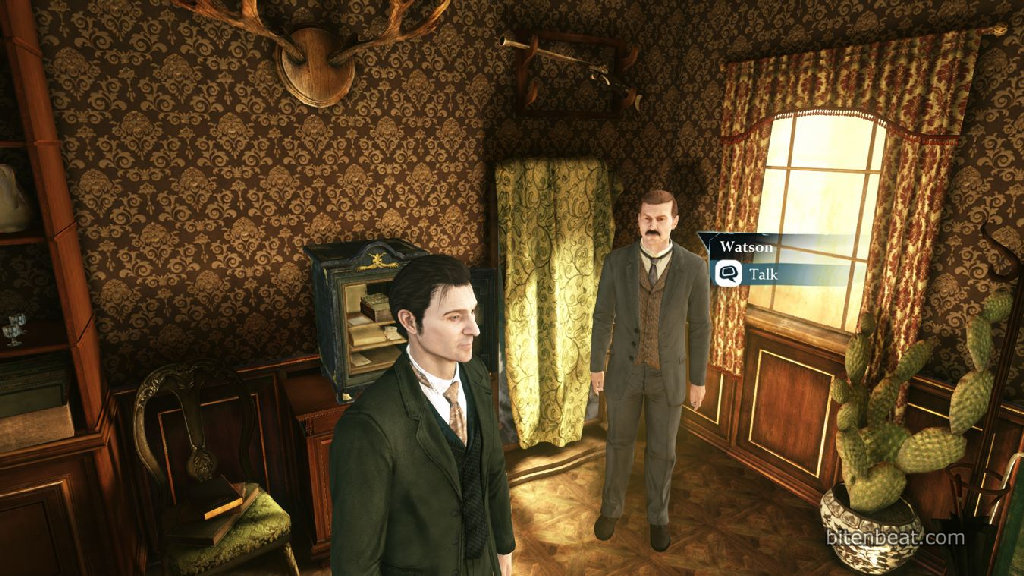
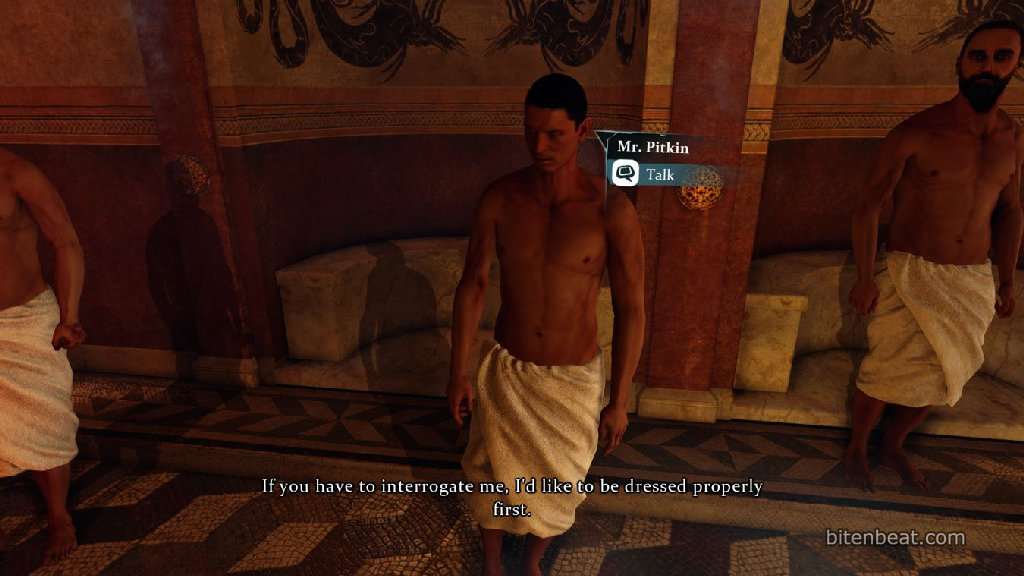
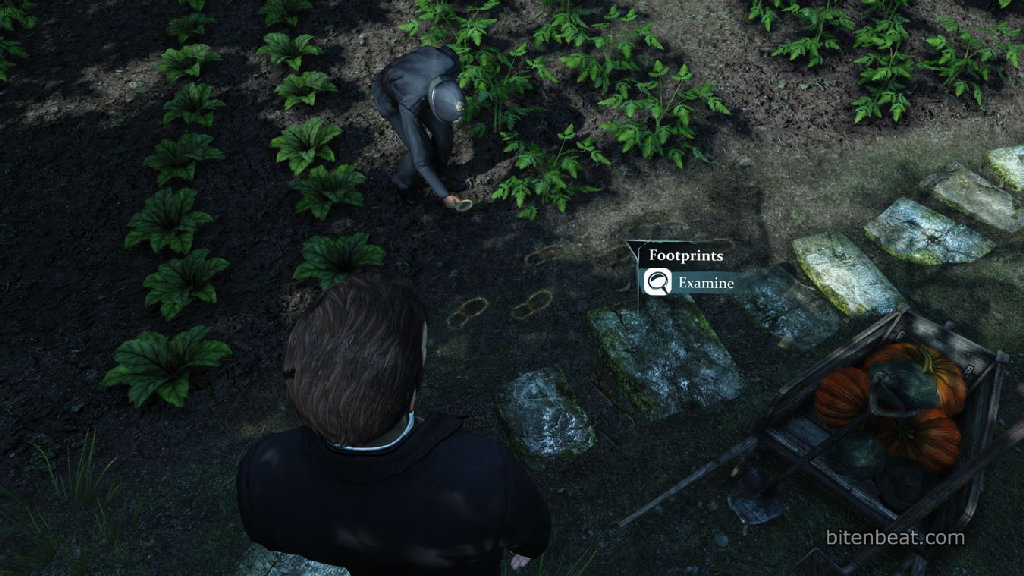
I found the graphics quite beautiful, especially during the dialogue scenes. The environments are very well crafted, with carefully designed maps (and in some areas, considerably complex). The only thing that bothered me was the character modeling of some people, who, in certain poses, seem to have minor anatomical issues.
The game’s main menu is very simple.
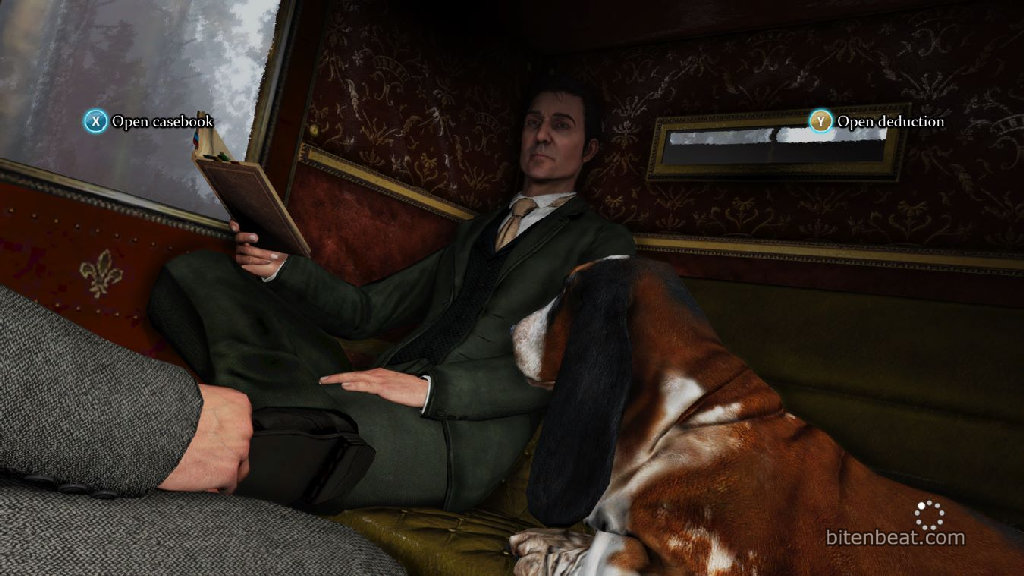
Within the game, there is another menu presented in the form of a book. It contains records of all dialogues, clues, key characters, game objectives, as well as a history of each solved case and the sentence chosen.
At first glance, this in-game menu may seem a bit confusing because it contains a lot of information, but it quickly becomes very easy to understand and extremely useful for reference.
Concentrating all of this information into a single “book” was a very creative solution by Focus Home Interactive, making the player feel more immersed in the investigative universe.
Soundtrack and Sound Effects
The music does a great job of setting the game’s suspenseful atmosphere, but the real highlight is the voice acting.
All dialogues are voiced (and very well performed, I should add) with British accents, which gives the game a very strong sense of immersion.
Gameplay
You can choose whether to play in first or third person. I preferred playing in first person, as the controls felt much more user-friendly. In third person, the character moves in a somewhat clumsy way, offering little guidance to the player when exploring the environment and identifying which objects are interactive.
Clues and key dialogues are transformed into “points” that the player can connect, creating deductions that drive the investigation forward. It is possible to create more than one deduction from the same connected points, leading to different lines of reasoning.
This was the part I liked the most about the game, because it allows you to reach more than one solution for a case. If you fail to gather enough clues or make “incorrect” deductions, you may end up accusing someone unjustly.
After choosing your verdict for a case, the game gives you the option to change your mind if you feel something isn’t right. In that situation, it returns you to the last save point (which is right before delivering your verdict).
All cases have consequences and affect Sherlock Holmes’ ranking. This ranking is based on the verdicts you choose, which may be correct or incorrect.
The game’s puzzles can be skipped if the player is more interested in solving each case as quickly as possible. I admit that I ended up skipping a few puzzles toward the end of the game because I was too anxious to see how the story would unfold.
Replayability and Game Retention
Each case has at least one alternate ending, encouraging the player to replay the game and discover a different outcome.