
Phoenix Wright: Ace Attorney – Justice for All (Xbox One)


Technical Information
Developer: Capcom
Publisher: Capcom
Release Date: April 9, 2019
Phoenix Wright: Ace Attorney – Justice for All is the second game in the trilogy released in the Phoenix Wright: Ace Attorney Trilogy collection. It was previously released (as a standalone title) for the Nintendo DS and Game Boy Advance.
You can check out the review of the first game in this collection by clicking here.
Phoenix Wright is no longer a rookie attorney, and in the second game of the trilogy, his mission is to prove the innocence of his clients in cases that are more complex than those in the first game.
An excellent visual novel that blends point-and-click elements. A must-play for fans of criminal investigations and for those who enjoy story-rich games.


Final Thoughts – Analyzing the Game as a Whole
Because it follows exactly the same pattern as the first game, I will keep my opinion the same regarding the “graphics” and “UI/HUD” aspects.
Graphics and UI
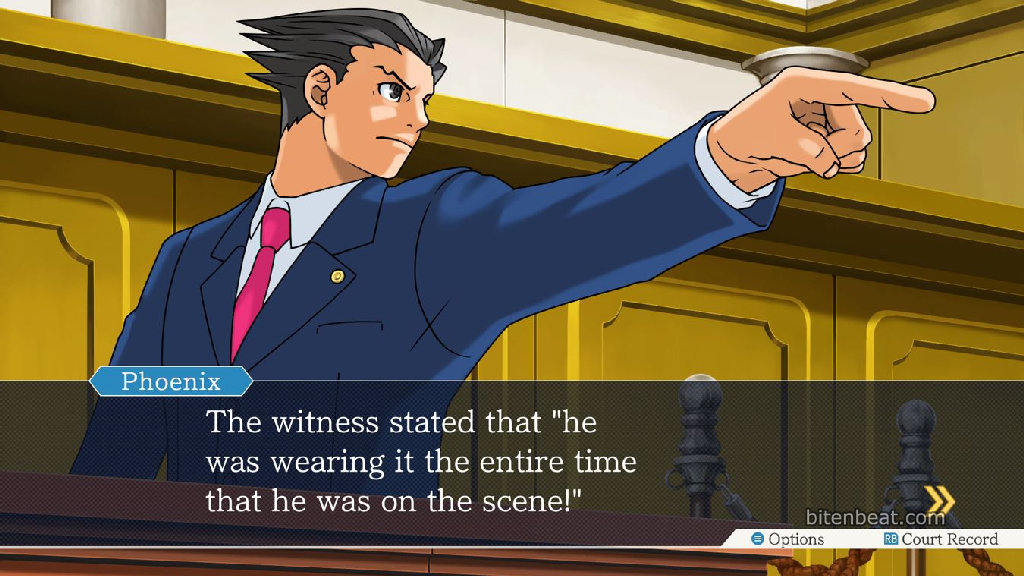
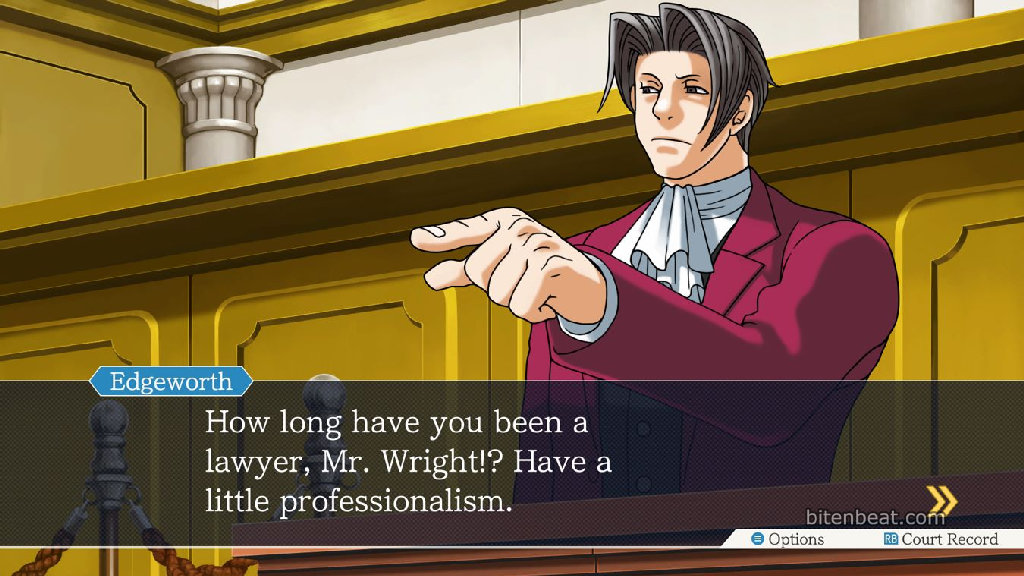
Personally, I found the art’s color palette quite ugly. The environments are nice, but the characters have a very sloppy finish, their coloring looks like it was done by a beginner artist. Capcom could have put in more effort, I found it very disappointing.
There are indie visual novels that look far better visually, so you can’t even blame a lack of resources!
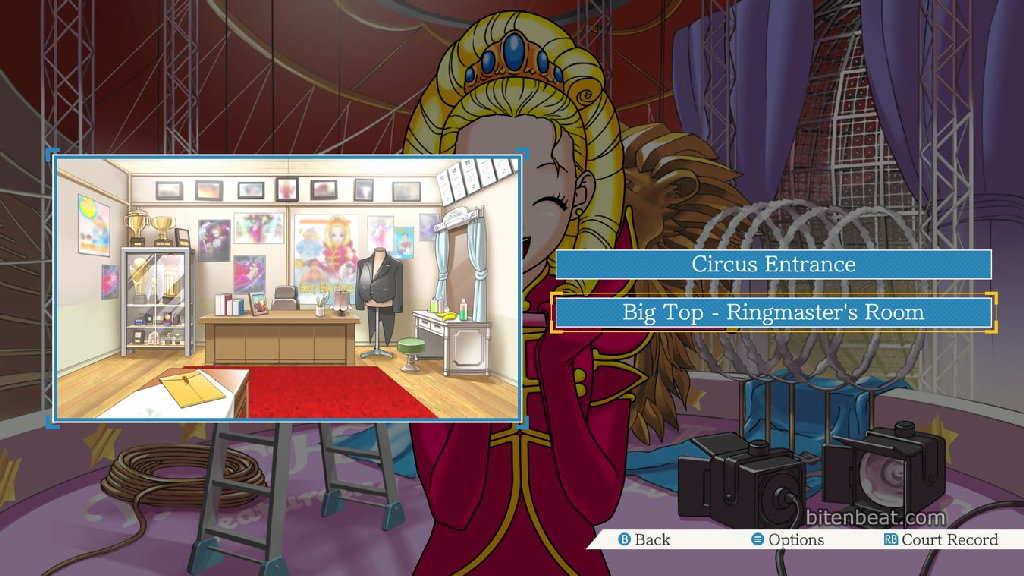
The menus are very clean. During gameplay, next to each action there’s an icon indicating which button must be pressed to perform it.
Soundtrack and Sound Effects
I started playing the second game right after finishing the first one, and the very first thing I hated was the soundtrack! I thought it was completely different and didn’t fit anything at all. But after some time, I got used to it, and it became acceptable.
The testimony theme lost some of its suspense and tension, placing more emphasis on drama. For some specific moments, I thought it worked well, but overall it felt strange.
On the other hand, the objection theme – when Phoenix starts presenting evidence and turning the case around – is amazing! It’s impossible not to get hyped by it (especially when you start seeing Franziska von Karma getting pissed off! hahaha).
Gameplay
The second game in the trilogy maintains the simple gameplay of the first. Basically, everything you do is read dialogue and choose where you want to go. During investigations, it’s possible to collect evidence by clicking on the environment.
A new mechanic is introduced in this game: the use of an item called the Magatama. When used, it reveals whether a character has a Psyche-Lock, which is a kind of emotional lock that appears when the character is withholding information. To break this lock, you must present evidence that dismantles their arguments, leaving the character with no choice but to tell the truth.
However, if you present the wrong evidence, your health bar will decrease. When this bar is depleted, the dialogue is automatically ended. The positive side is that you can save before presenting evidence, making the game’s dynamics less punishing.
The game’s difficulty increased significantly compared to the previous one. The cases are more complex, with many more pieces of evidence and characters—and believe me, this will really mess with your head during interrogations.
Replayability and Game Retention
Due to the increase in complexity, I found the gameplay more tiring and much less fluid.
I personally found the cases in the first game far more engaging and interesting. Some sections became quite exhausting, with too much back-and-forth. Between the first and second game, at least initially, I would rather replay the first one because of the smoother flow and the charisma of its cases.