
Technical Information
Developer: 07th Expansion
Publisher: MangaGamer
Release Date: April 28, 2017
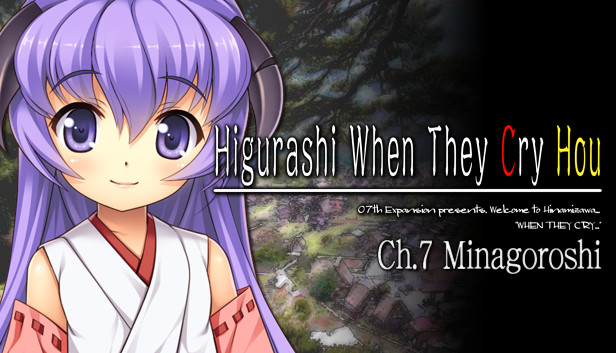
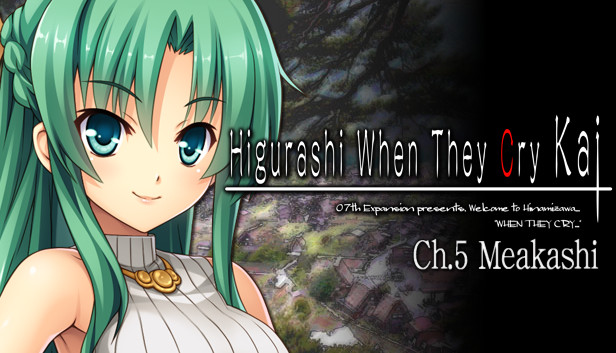
The story follows a boy who moves to a small town in the rural area of Japan called Hinamizawa. It’s actually more like a village than a town.
Strange deaths have been occurring for several years, and some people attribute them to a curse.
Higurashi When They Cry Hou is a sound novel divided into eight chapters. The events take place between 1979 and 1983.
This is the first arc of responses and corresponds to chapter 2 (Watanagashi).

Final Thoughts – Analyzing the Game as a Whole
Graphics and UI
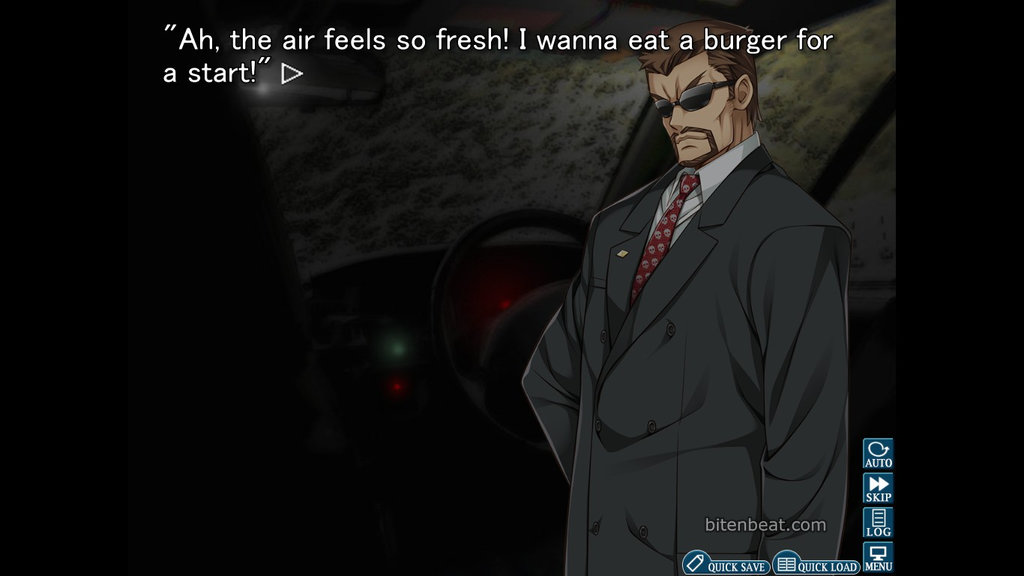
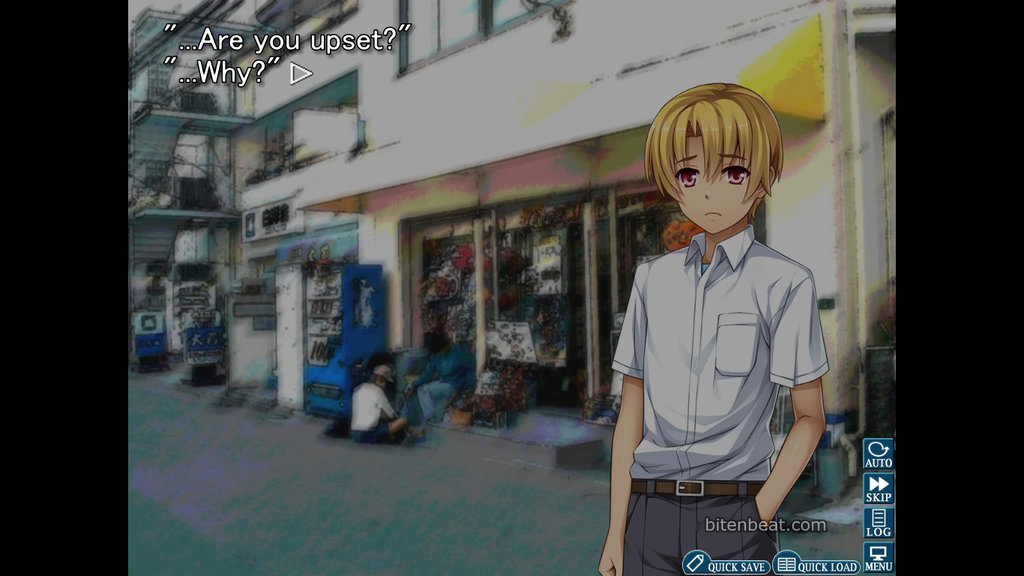
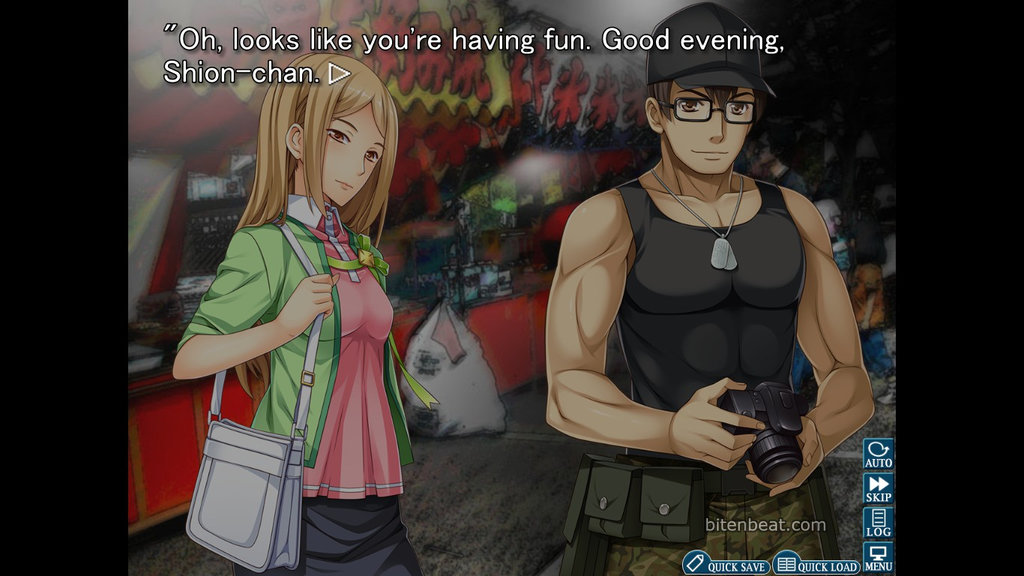
The game features both original art and a remake.
The art style of the remake is very beautiful, while the original is somewhat weird and creepy, depending on the dialogue.
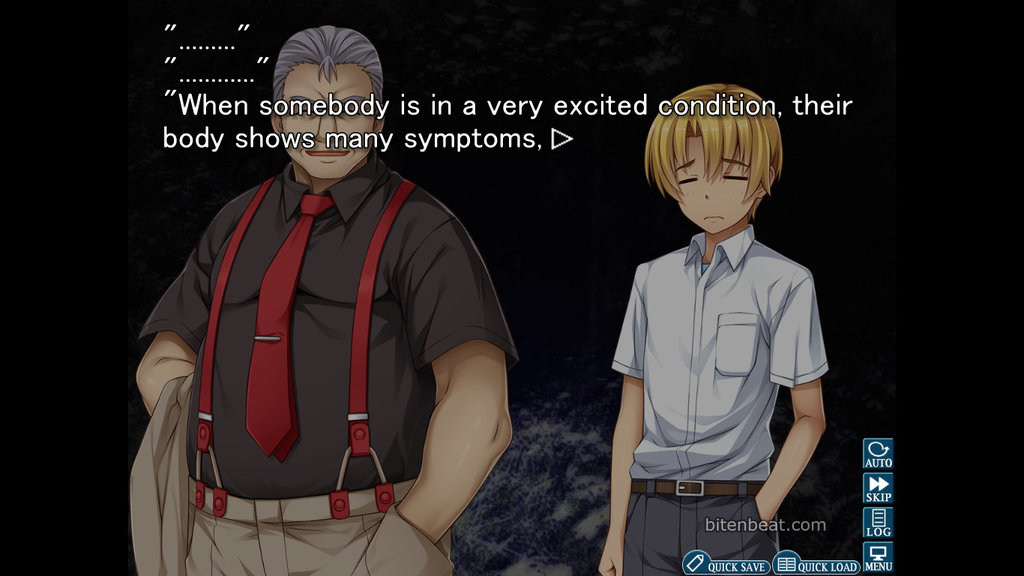
Unfortunately, the characters do not have many poses or expressions, with most of them changing only slightly, giving the game a very static feel.
There are no interaction scenes between characters or key moments. Your imagination will be your guide at this point, just like in a book.
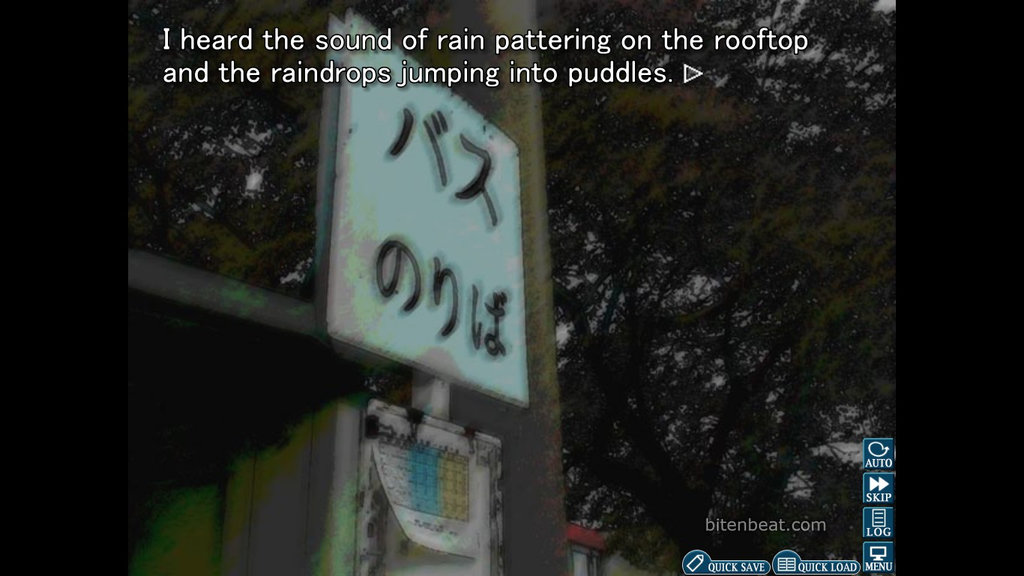
The scenery consists of photos with a painting effect. It looks very rough.
From a functional standpoint, the menus and text are very clear and easy to understand.
However, the menu aesthetic is quite ugly, with an amateurish feel reminiscent of the early 2000s.
The text is displayed across the entire screen, often overlapping the scenery and characters. This reinforces the feeling that the game is more like a book than a traditional visual novel.
Soundtrack and Sound Effects
Great music that conveys the emotional moments very well.
If only the characters had voices, it would have been even better!
Gameplay
The first chapter connected to the answer arcs couldn’t have started in a better way.
The storytelling is excellent (direct and engaging)! Finally connecting the dots and answering the questions players have been waiting for.
The story is told from Shion Sonozaki’s perspective.
This chapter has everything a great psychological horror story needs:
an unstable emotional state, revenge, flashes of insanity, remorse…
The dramatic moments occur at just the right times, maintaining a strong balance throughout the plot.
Prepare yourself for intense emotions, but don’t assume everything is fully explained. Still, I can say that at least some pieces finally start to fall into place.
From the moment it became clear that Shion had been switching places with Mion at the beginning of the story, I strongly suspected she was behind the murders and had been impersonating Mion in Chapter 2.
It’s evident from early on that Shion is emotionally unstable. This became especially clear to me when she showed jealousy toward Satoko over Satoshi.
My suspicions in Chapter 2 turned out to be correct. There was no demon involved, it was all psychological manipulation carried out by Shion.
Despite her instability, I couldn’t help but agree with her view that Satoko often acted spoiled and lacked empathy toward her brother. However, reading at the end that she recognized her mistakes and resolved to become “stronger” softened my feelings toward her.
By the end, I found everything somewhat confusing who was the real Mion and who was the real Shion? It all became so tangled! hahaha
Once again, the story illustrates that the real monsters are human beings, and that religion and myths can be used as tools for fear and manipulation.
Even though this chapter attempts to present events in a rational and skeptical light, I still couldn’t completely dismiss the moments involving Rena’s “possession”.
Replayability and Game Retention
I was hooked from the beginning. Everything was explained clearly, without excessive slice of life segments slowing the pace.
Without a doubt, reading Watanagashi and Meakashi together is absolutely worthwhile, it’s a powerful and well-crafted narrative.