
Technical Information
Developer: Glass Heart Games
Publisher: Another Indie Studio
Release Date: October 14, 2020
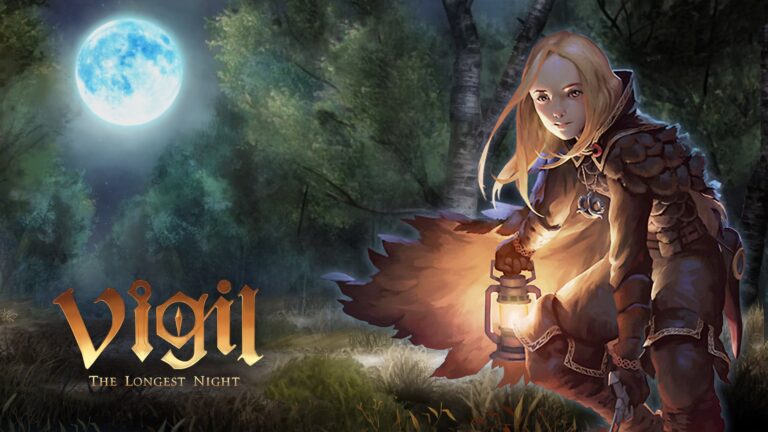
Control a vigilante in an adventure where people are disappearing and strange monsters have appeared around the villages.
Vigil is a Metroidvania with strong influences from Dark Souls, where not only the somber atmosphere follows you everywhere, but also the high level of difficulty.
Final Considerations – Analyzing the Work as a Whole
Graphics and UI
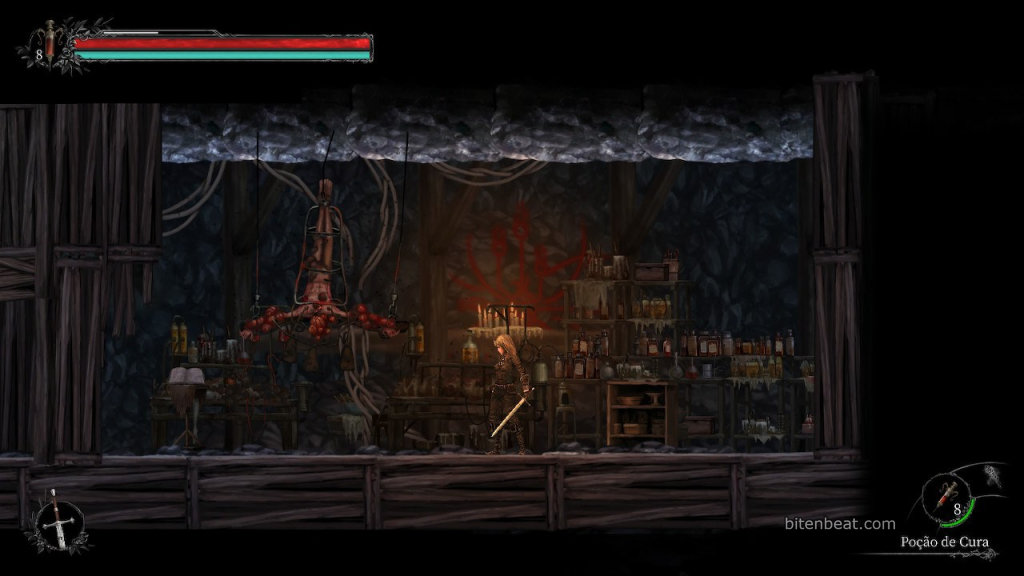
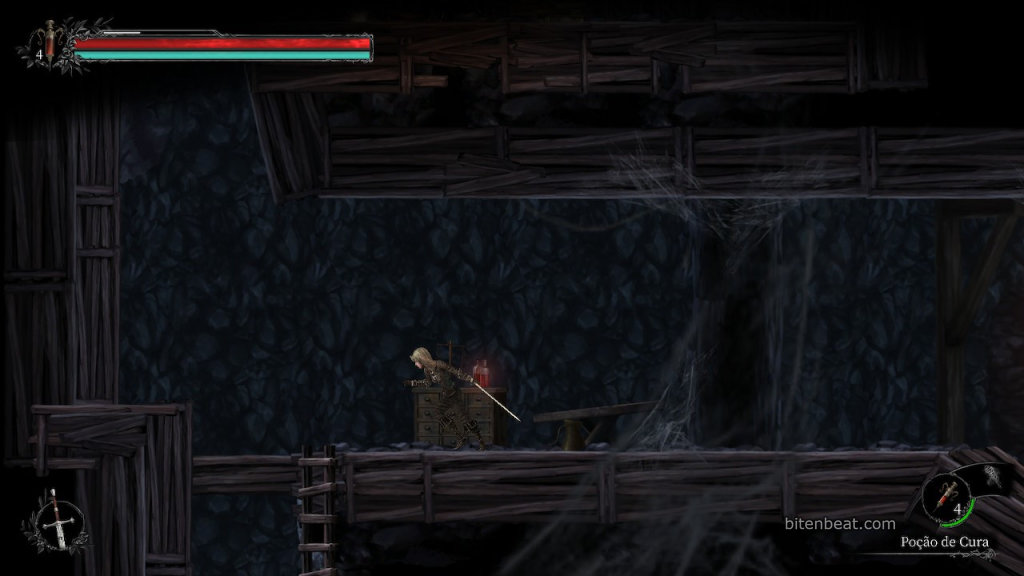
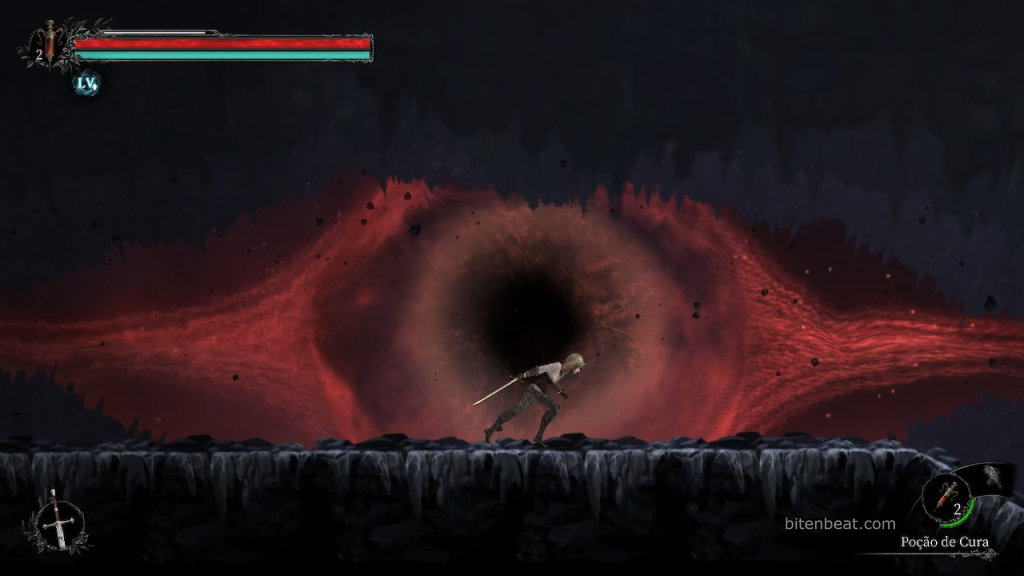
The game’s artwork is very beautiful and detailed.
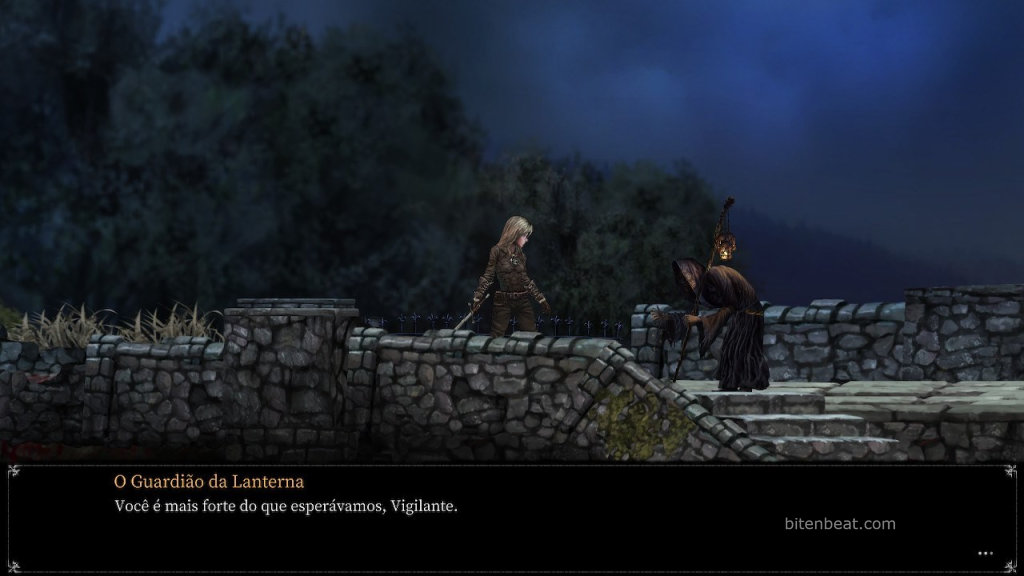
However, only the protagonist is in 3D, while all other characters and enemies use 2D models with cut-out animations. I didn’t understand why they chose this approach. In my opinion, if everything were in 3D, it would have brought better harmony to the game’s aesthetic.
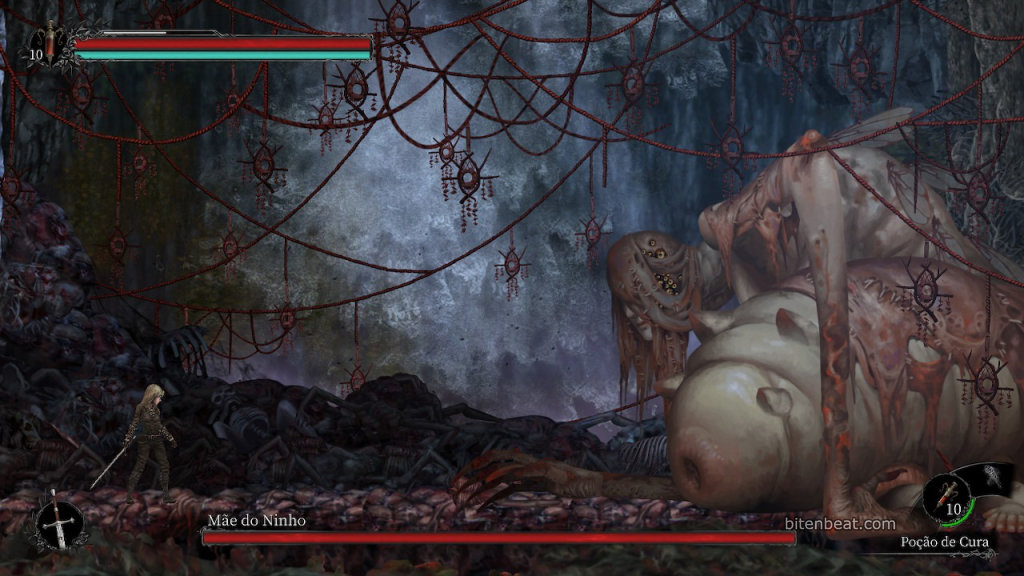
The artwork of the bosses reminded me a lot of Spirit Hunter: NG: the painting style, color palette, and overall horror vibe.
The first major similarity with Dark Souls that you’ll notice when starting the game is the UI. The equipment menu is practically the same. Item placement, descriptions, and attributes are all organized in a very similar way. The font used also reinforces this influence.
It adds a strong atmosphere to the game, but at the same time, it feels very derivative.
Whether this will please or displease the player depends greatly on personal taste. Personally, I found it quite functional, but not very original.
Soundtrack and Sound Effects
The soundtrack and sound effects are other elements that will certainly remind you of Dark Souls.
The item selection sound is very similar, if I heard both without knowing which game they came from, I wouldn’t be able to tell them apart.
The tracks are very good and help set the tone for the game’s horror atmosphere.
Trivia: The soundtrack was composed by Jouni Valjakka from the metal band Whispered.
Gameplay
The gameplay follows a platformer structure.
As you level up, you gain one point, which can be distributed in a skill tree focused on weapon proficiencies and character attributes (HP, stamina recovery, etc).
Each weapon has its own fighting style, allowing players to invest in what they feel most comfortable using.
It is also possible to equip secondary items such as potions and bombs.
You have a stamina bar, and when it runs out, you enter an exhaustion state. Each time this happens, your character becomes immobile for a few milliseconds, which can be extremely punishing in certain situations. Learning how to manage stamina is essential for a smooth experience.
Falling from great heights can not only damage your health, but also kill you instantly.
As you progress through the world, the map gradually fills in. Despite being a Metroidvania, there is little emphasis on exploration, so don’t expect to get lost or to revisit areas frequently to unlock new paths.
Each key location on the map includes a save point that also allows teleportation. The downside is that teleport destinations are shown only by name, without indicating their position on the map. This forces the player to memorize each region’s name.
Throughout the game, you will interact with several characters. Each provides story context, and many of them unlock side quests, which usually involve delivering items or gathering information. Completing these quests rewards you with gold and items.
Farming money in this game is a real nightmare. Since gold is required to forge weapons and purchase items, rushing through the game and focusing solely on bosses is not a very viable strategy for a first playthrough.
In general, regular enemies are fairly easy to defeat, but bosses present the real challenge.
Much like Dark Souls, they demand patience more than raw skill. You will die many times until you learn their movement patterns and identify the most effective strategies.
The game offers multiple save slots, which is excellent for players who enjoy experimenting with different builds and skill tree configurations.
Replayability and Game Retention
For fans of the Dark Souls franchise and Koji Igarashi’s Castlevania games, this title is a great find.
However, players who enjoy only one of these influences may find the experience somewhat disappointing. The fusion of both styles makes Vigil a rather unique game.
Personally, I found the game frustrating due to the difficulty of boss fights. I don’t have much patience for analyzing movement patterns and defeating bosses slowly. Still, I recognize that this is a personal preference, and many players will likely find this challenge appealing.