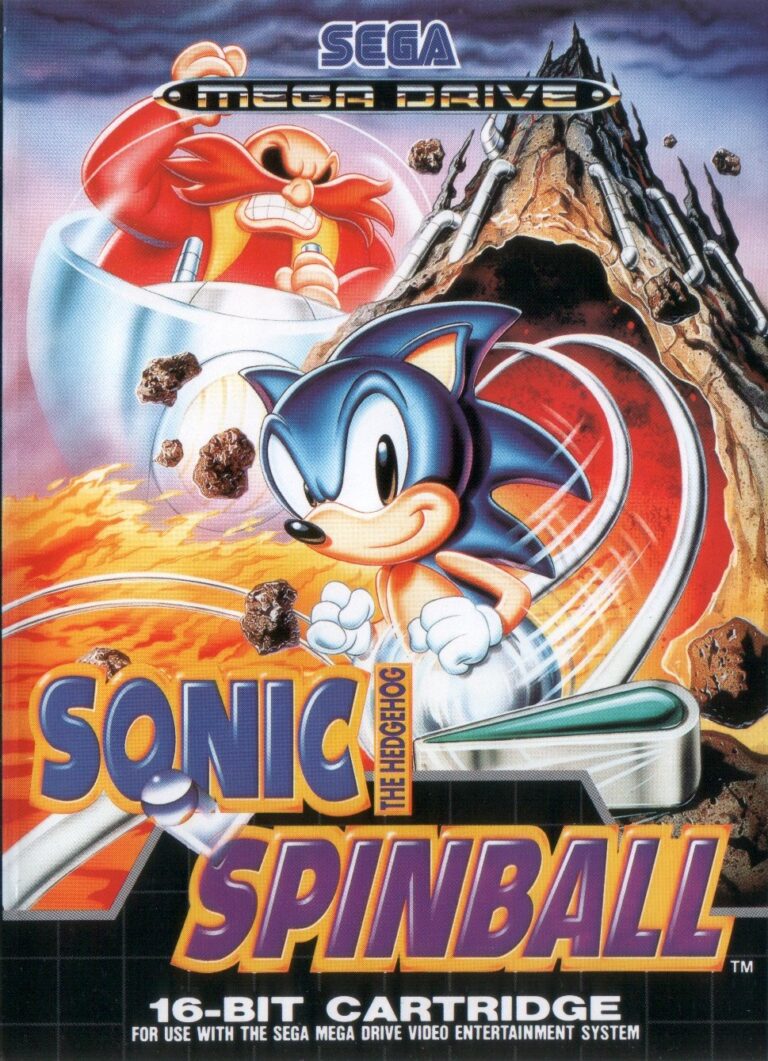
Sonic the Hedgehog Spinball (Mega Drive)

Technical Information
Developer: SEGA
Publisher: SEGA
Release Date: 1993
Dr. Robotnik is kidnapping animals and transforming them into robots inside a fortress. Sonic infiltrates the Toxic Caverns, located beneath the fortress, and slowly makes his way upward to finally face his arch-nemesis.
This is a game that completely deviates from traditional blue hedgehog titles, adapting the gameplay into a colorful and challenging pinball experience.
Final Thoughts – Analyzing the Game as a Whole
Graphics and UI
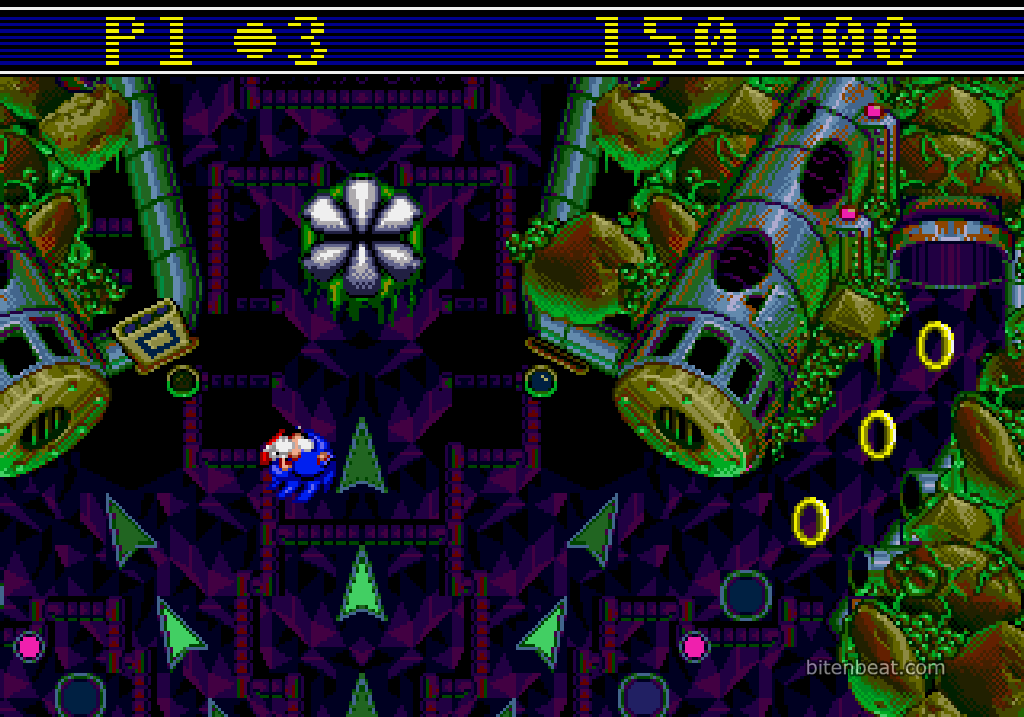
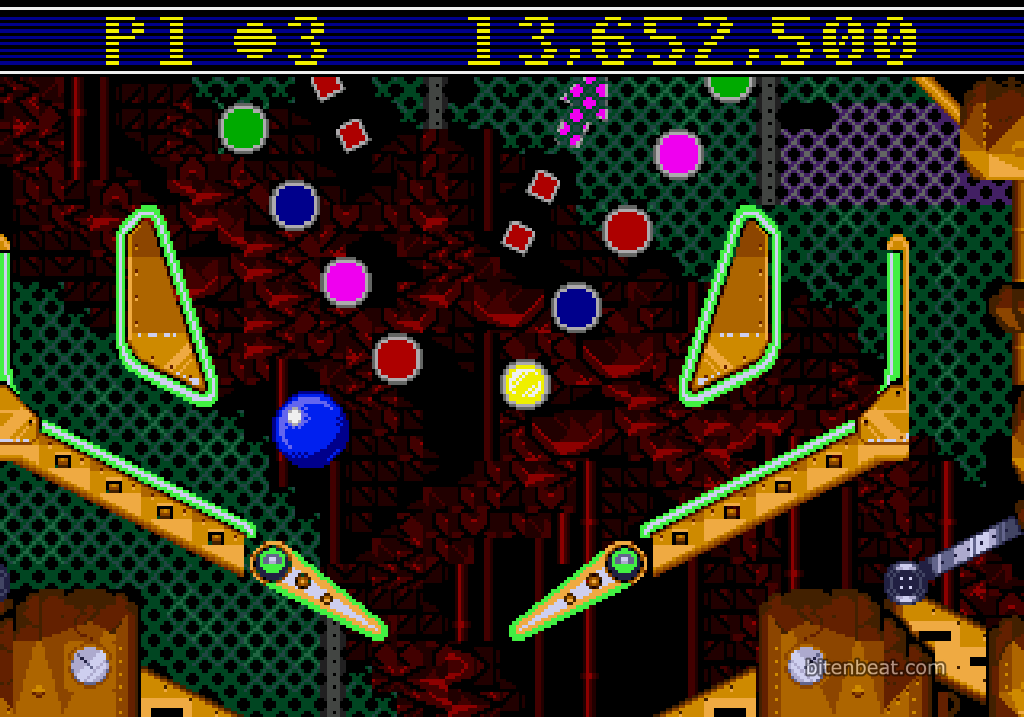
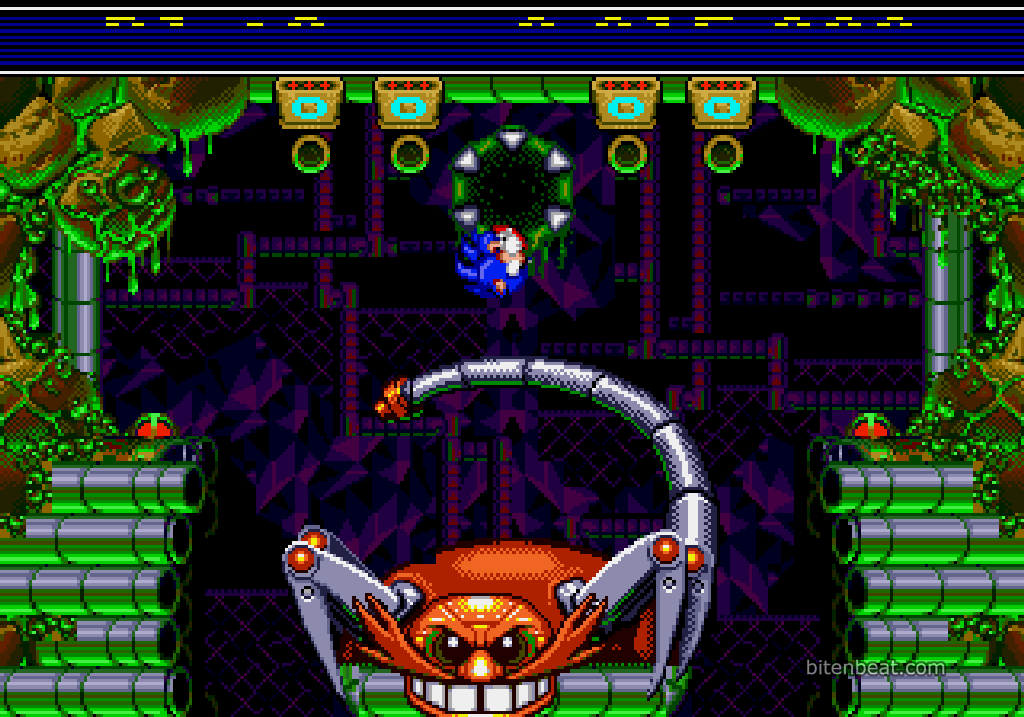
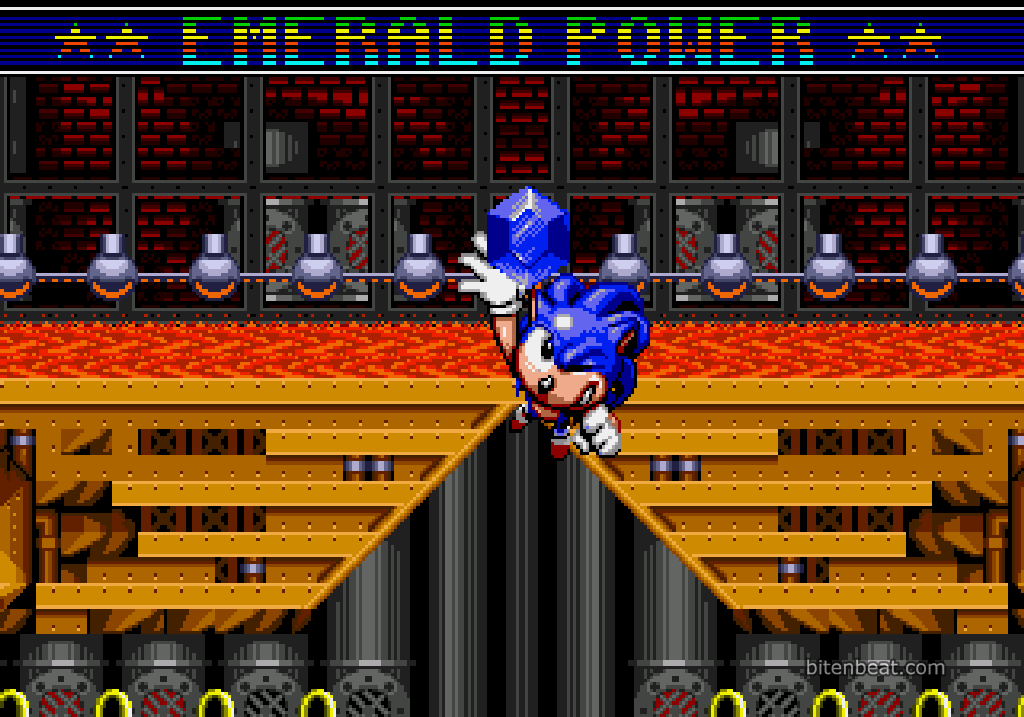
The entire game is a visual showstopper, with well-chosen colors and impressive attention to detail. From the very beginning, the quality of the animations is evident. Everything feels meticulously designed, making excellent use of the Mega Drive’s color capabilities.
Sonic’s design is slightly different from Sonic 1 and 2, and although the enemies differ from previous games, they still follow the same conceptual style.
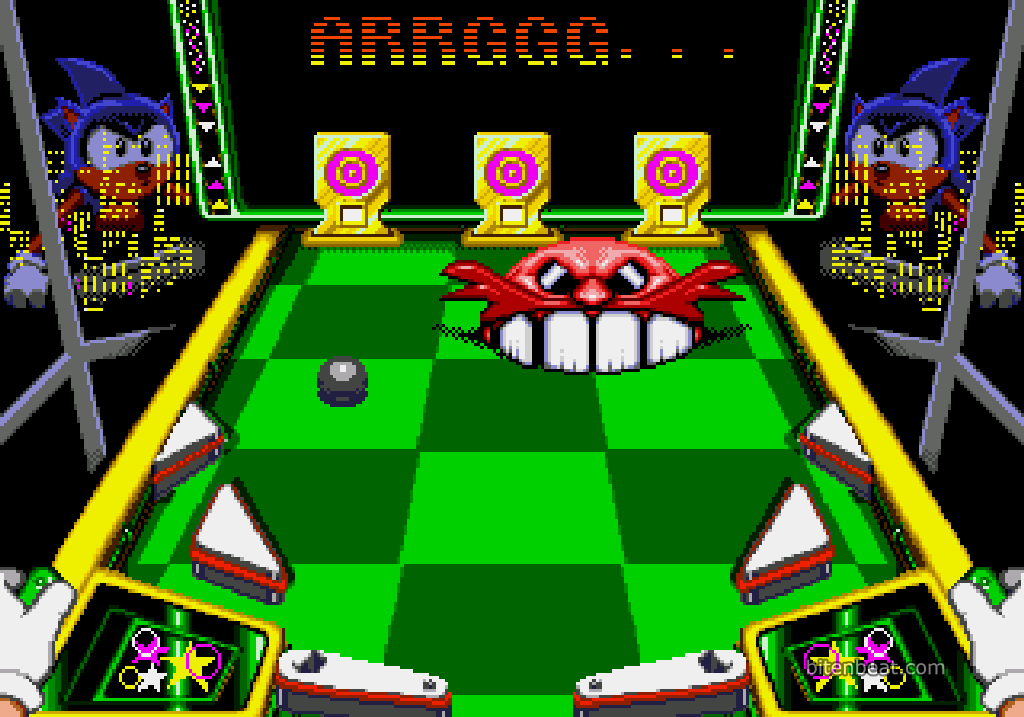
In the bonus stages, it’s possible to see Sonic’s reflection on the pinball glass, a detail I personally found magnificent.
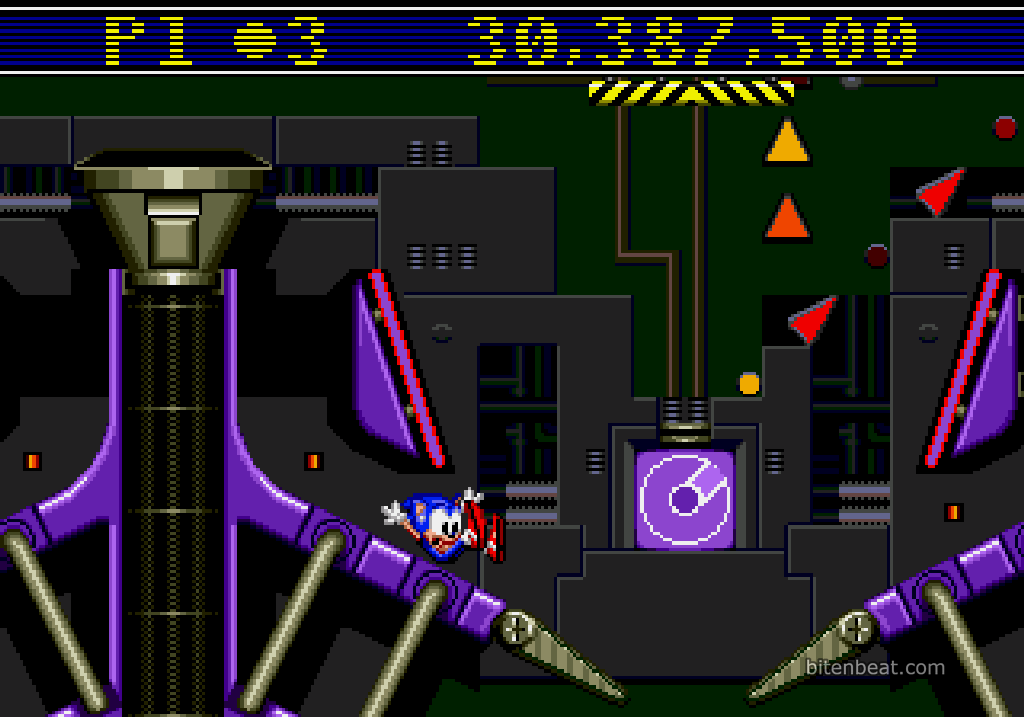
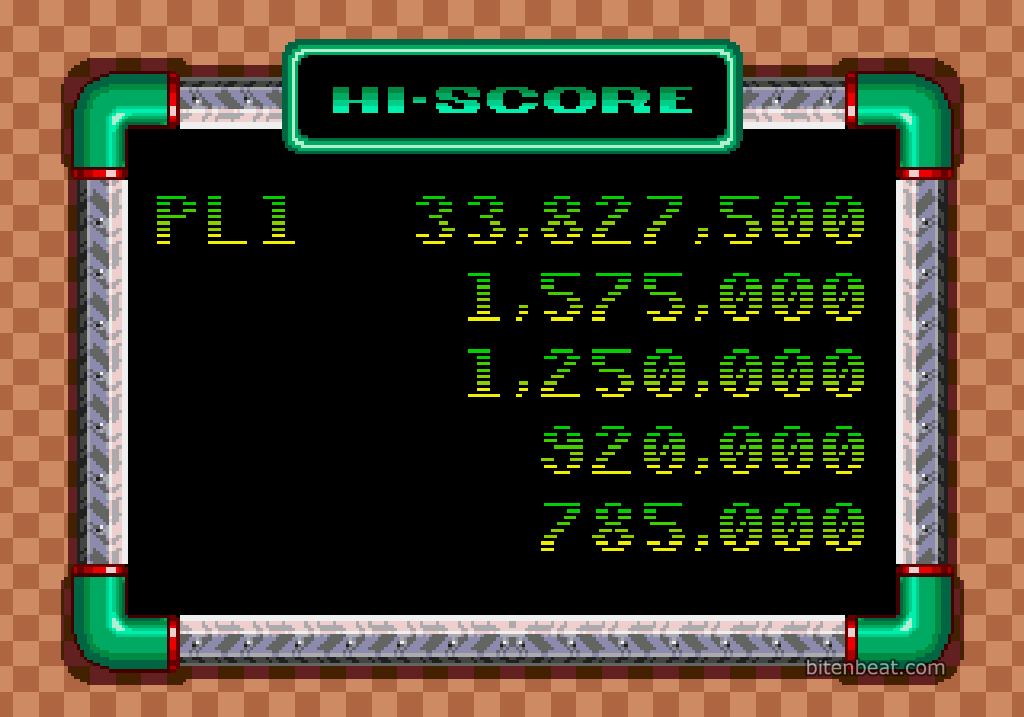
The HUD is clean and straightforward, featuring a strip at the top of the screen that displays key information about the game, including your score. Before starting, you can adjust the speed, configure the controls, and select the number of players (up to four players, although play is turn-based).
Soundtrack and Sound Effects
In my opinion, this is one of the best soundtracks on the Mega Drive. Right from the start, the game features a lively track that stays with you.
The sound effects are equally well done, with the volume properly balanced.
Gameplay
The entire game is structured like a pinball table, so you shouldn’t expect much direct control over Sonic’s movement. It’s a very challenging game, not only because of the physics, but also because each stage requires collecting all the Chaos Emeralds to face the boss.
You must explore each stage carefully and understand how it functions, which can be quite exhausting. It requires a lot of patience since, as with any pinball game, you don’t always get the ball where you want it.
The game features four main stages, each separated by a bonus stage. None of the bonus stages repeat, and they serve primarily to increase your score.
The main drawback is the multiplayer mode. While up to four players can participate, only one plays at a time. It’s hard to justify this decision, the game is already slow-paced, and waiting for another player to lose before taking a turn only worsens the experience.
The inclusion of multiplayer feels unnecessary and poorly thought out.
Replayability and Game Retention
The game is undeniably challenging, but it can become frustrating, especially when you’re close to finishing a stage and receive a game over. Depending on the session, this can be mentally exhausting and may reduce the motivation to start again from the beginning.